
Name, Image, and Likeness regulations have created opportunities for college athletes to monetize their personal brands. Athletes who implement systematic approaches to brand development achieve measurable results in shortened timeframes. Research indicates that strategic personal branding can generate increases of 766.3% in Instagram reach, TikTok views exceeding 49,000, and website engagement rates of 48.61%.
The following three playbooks provide frameworks for athletes, managers, and brands to accelerate sports brand development through structured methodologies.
Playbook 1: Brand Foundation Development
Identity Definition Process
Athletes must establish clear brand positioning before engaging in promotional activities. The brand foundation process begins with comprehensive self-assessment to identify unique value propositions within competitive athletic markets.
Brand differentiation requires systematic analysis of existing athlete profiles within specific sports categories. Athletes document their values, personality characteristics, and professional objectives. This documentation forms the basis for consistent messaging across platforms and partnership opportunities.
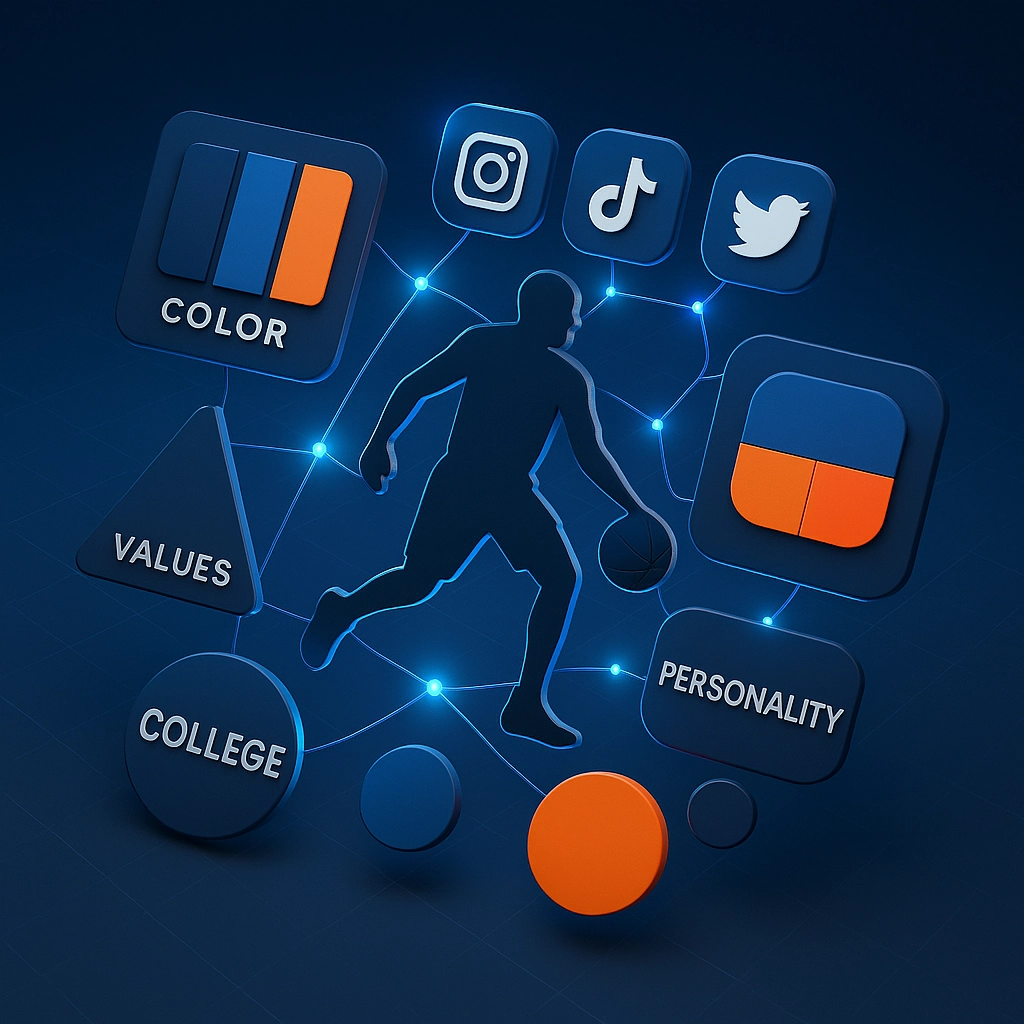
Brand Architecture Framework
Personal brand architecture consists of three core components: authentic narrative development, visual identity systems, and message consistency protocols. Athletes develop brand stories that extend beyond athletic performance metrics to include personal values and community engagement activities.
The visual identity system encompasses social media aesthetics, professional photography standards, and branded content templates. Message consistency protocols ensure uniform communication across all platforms and partnership activations.
Compliance Integration
Brand development activities must align with NCAA regulations and state-specific NIL legislation. Athletes document compliance requirements for their institutions and establish review processes for partnership opportunities.
Disclosure requirements, prohibited agreement types, and pay-for-play restrictions form the regulatory framework within which brand development occurs. Athletes maintain documentation systems to track compliance with applicable regulations.
Playbook 2: Audience Development Strategy
Platform-Specific Growth Methodologies
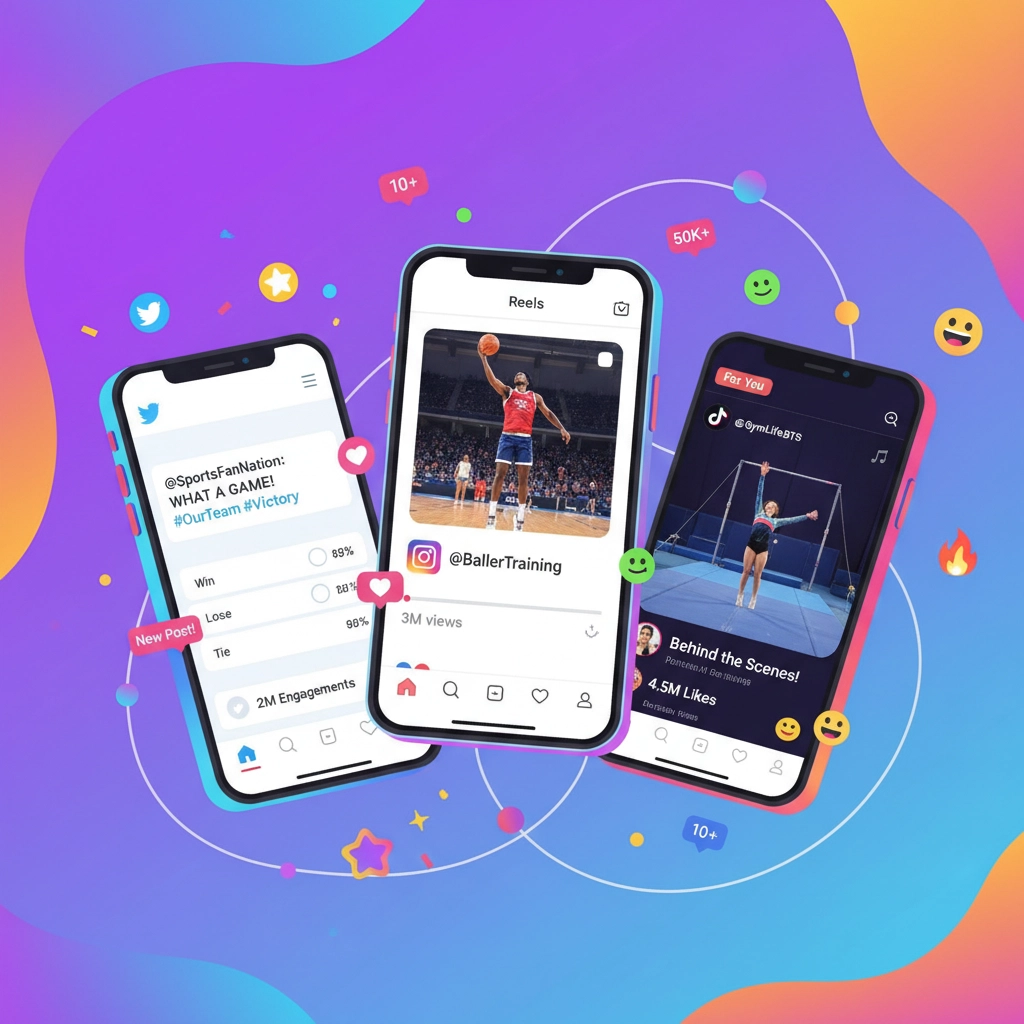
Audience development requires tailored approaches for each social media platform. Athletes implement content strategies based on platform demographics, engagement patterns, and algorithm optimization techniques.
Instagram content focuses on visual storytelling through high-quality imagery and video content. Athletes post consistently using platform-specific hashtags and engage with followers through comments and direct messages.
TikTok strategy emphasizes trending audio, creative video concepts, and community challenges. Athletes participate in relevant trends while maintaining brand consistency and authenticity.
Content Distribution Systems
Systematic content distribution requires scheduling tools and editorial calendar management. Athletes develop content themes that rotate between athletic training, personal interests, and sponsored content integration.
Content categories include behind-the-scenes training footage, game preparation routines, academic pursuits, and community involvement activities. Athletes maintain content ratios that balance personal brand development with partnership obligations.
Engagement Rate Optimization
Audience engagement metrics include likes, comments, shares, and save rates across platforms. Athletes track engagement patterns to identify optimal posting times and content formats that generate highest interaction rates.
Response protocols establish systematic approaches to follower interactions. Athletes respond to comments within specified timeframes and engage with other accounts in their sports communities to expand reach and visibility.
Playbook 3: Partnership Acquisition Framework
Brand Alignment Assessment
Partnership opportunities require evaluation based on brand alignment criteria. Athletes assess potential partnerships using value alignment, audience overlap, and long-term brand impact considerations.
Brand alignment assessment includes company values review, target demographic analysis, and partnership terms evaluation. Athletes document partnership criteria to streamline opportunity evaluation processes.
Partnership Structure Models
NIL partnerships operate through various structural frameworks including performance-based compensation, flat fee arrangements, and revenue sharing agreements. Athletes understand different partnership models to negotiate optimal terms.
Local partnership opportunities provide foundation-level experience and community connection benefits. Regional and national partnerships offer increased exposure and revenue potential but require higher performance standards and compliance complexity.
Partnership Performance Metrics
Partnership success requires measurement systems that track both athlete and brand performance indicators. Athletes monitor reach metrics, engagement rates, conversion data, and brand sentiment analysis.
Performance documentation includes social media analytics, website traffic data, and sales conversion rates where applicable. Athletes maintain partnership performance records to demonstrate value to existing and potential brand partners.
Implementation Timeline Framework
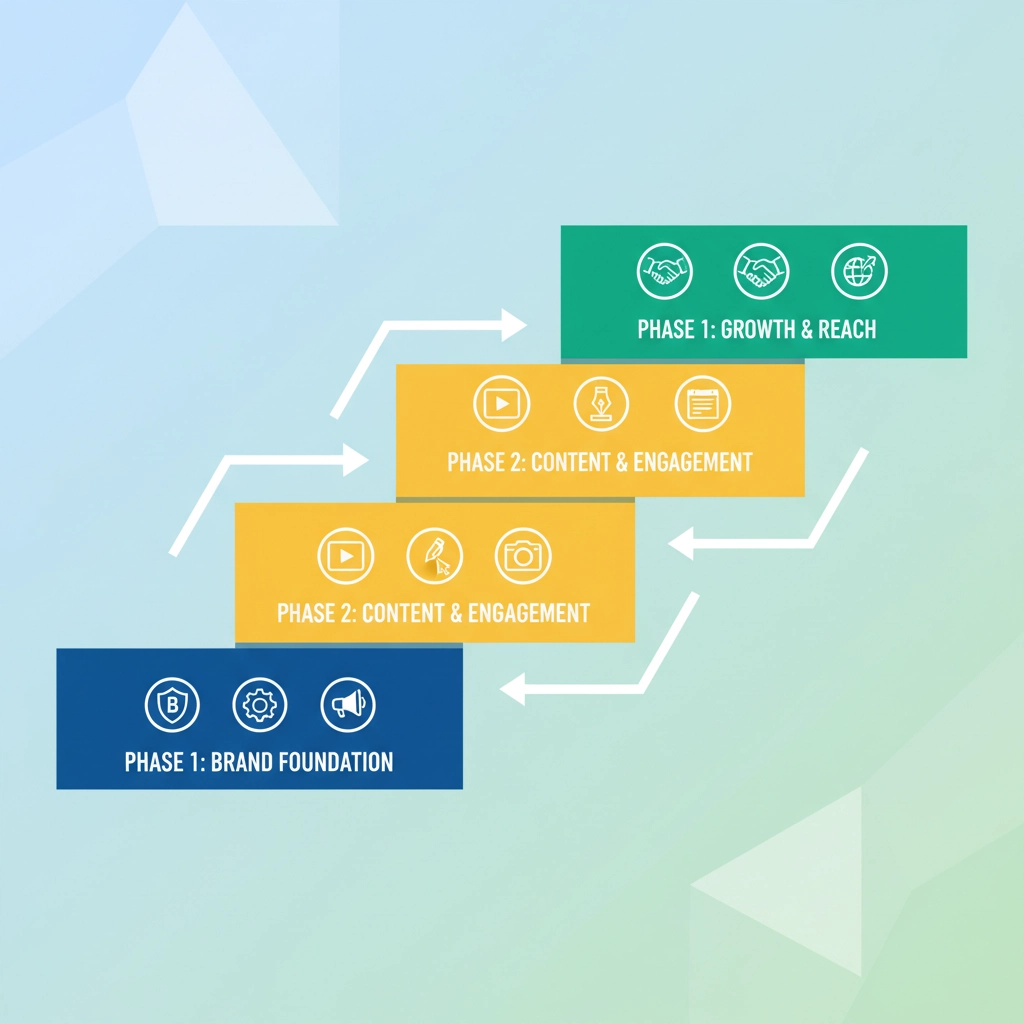
Phase 1: Foundation Development (Weeks 1-4)
Initial implementation focuses on brand foundation establishment and compliance documentation. Athletes complete self-assessment processes, develop brand architecture components, and establish regulatory compliance systems.
Week 1 activities include brand identity definition and competitive analysis completion. Week 2 involves visual identity development and message framework creation. Weeks 3-4 focus on compliance documentation and initial content creation.
Phase 2: Audience Development (Weeks 5-12)
Audience development phase emphasizes consistent content creation and engagement rate optimization. Athletes implement platform-specific strategies and track performance metrics across all channels.
Content production increases to daily posting schedules across primary platforms. Athletes engage with community members and participate in relevant conversations to expand reach and visibility.
Phase 3: Partnership Activation (Weeks 13-24)
Partnership acquisition begins after establishing foundation and audience development systems. Athletes evaluate partnership opportunities using established criteria and negotiate terms based on demonstrated audience metrics.
Initial partnerships focus on local and regional opportunities to develop partnership management skills and performance tracking capabilities. Athletes document partnership results to support future opportunity negotiations.
Measurement and Optimization Systems
Performance Tracking Methodologies
Brand development progress requires systematic measurement across multiple performance indicators. Athletes track follower growth rates, engagement metrics, partnership opportunities, and revenue generation.
Monthly performance reviews analyze progress against established objectives and identify optimization opportunities. Athletes adjust strategies based on performance data and market condition changes.
Continuous Improvement Protocols
Brand development requires ongoing optimization based on performance data analysis and market trend assessment. Athletes implement testing protocols for content formats, posting schedules, and engagement strategies.
Quarterly strategy reviews incorporate platform algorithm updates, competitive landscape changes, and partnership market evolution. Athletes adapt approaches based on performance trends and emerging opportunities.
The systematic application of these three playbooks provides athletes with structured frameworks for accelerated brand development within NIL regulations. Athletes who implement consistent processes across brand foundation, audience development, and partnership acquisition achieve measurable results in shortened timeframes compared to athletes without systematic approaches.
Success in NIL brand development requires commitment to process consistency, performance measurement, and continuous optimization based on data analysis and market conditions.