
Female athletes demonstrate superior social media engagement rates compared to their male counterparts, creating distinct opportunities for brand partnerships and marketing initiatives. This phenomenon occurs despite reduced traditional media coverage and represents a fundamental shift in how athletic communities form and engage with commercial content.
The Engagement Disparity
Data from the Paris 2024 Olympics reveals female athletes generated 53 percent of total engagement across TikTok and Instagram platforms. This engagement rate occurred while female athletes received only 43 percent of news coverage compared to 57 percent allocated to male athletes. The disparity indicates female athletes create direct audience connections through social platforms rather than relying on traditional media intermediaries.
Individual female athletes maintain active presences across multiple platforms. Research indicates 61 percent utilize Instagram, 43 percent maintain Facebook profiles, 38 percent engage on YouTube, and 27 percent create TikTok content. Consumer following patterns show 20 percent follow individual female athletes on social media, exceeding the 18 percent who follow women's sports teams and the 10 percent following women's sports leagues.
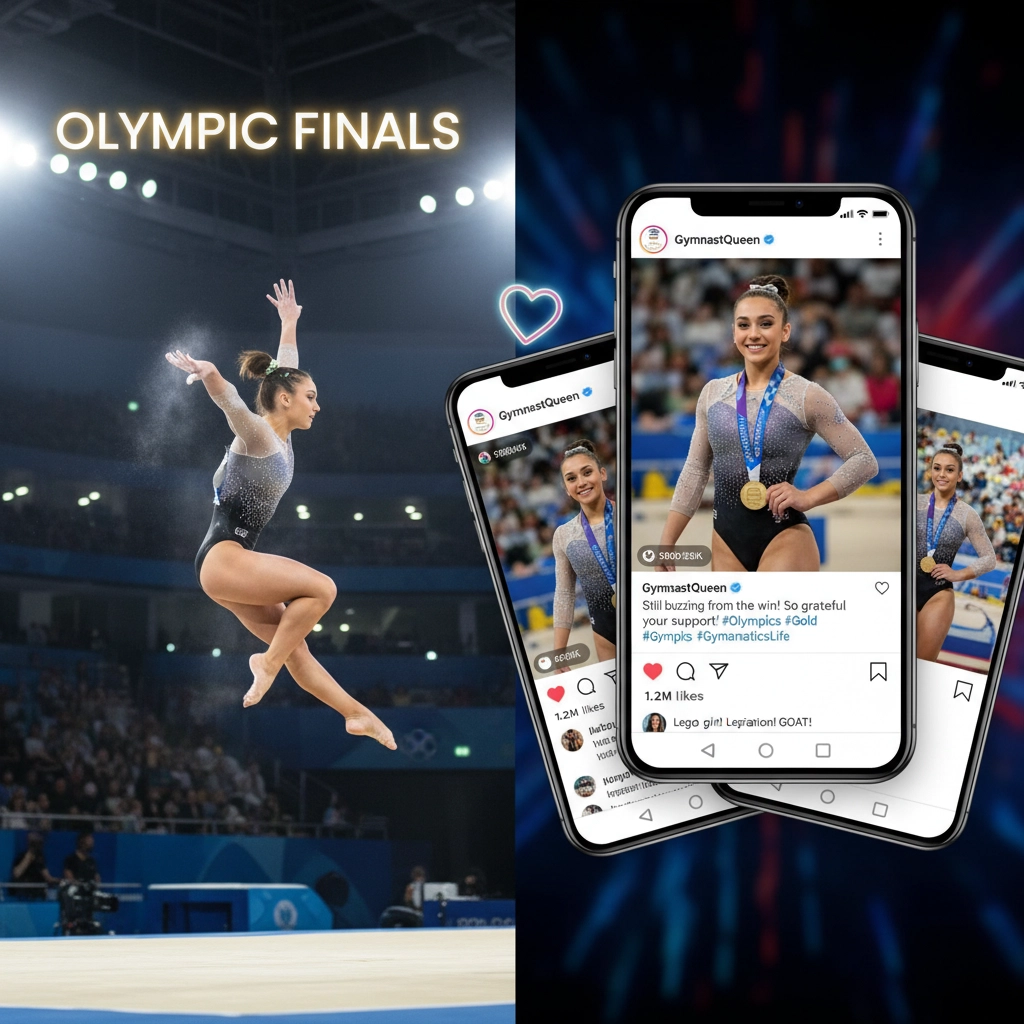
Platform engagement extends beyond basic following metrics. Female athletes at the Paris Olympics accumulated substantial view counts, with rugby player Ilona Maher generating over 50 million TikTok views during competition periods. Four of the ten most marketable athletes globally were female Olympians, with Simone Biles ranking first overall in marketability assessments.
Community Characteristics
Female sports fan communities exhibit distinct behavioral patterns compared to male sports fan demographics. These communities demonstrate higher loyalty rates, increased trust levels, and more affluent economic profiles. Research indicates 57 percent of consumers trust female athletes' product endorsements genuinely, compared to 50 percent trust rates for male athlete endorsements.
Role model perception rates reach 88 percent for female athletes, indicating strong aspirational connections between athletes and audiences. Female fans show 25 percent higher likelihood of purchasing products from brands sponsoring their preferred sports compared to male sports fans. Brand recall rates for women's sports sponsorships register twice as high as comparable men's sports partnerships.
Female athletes increasingly use platforms to advocate for social justice, gender equality, and wellness topics, creating values-based audience connections.
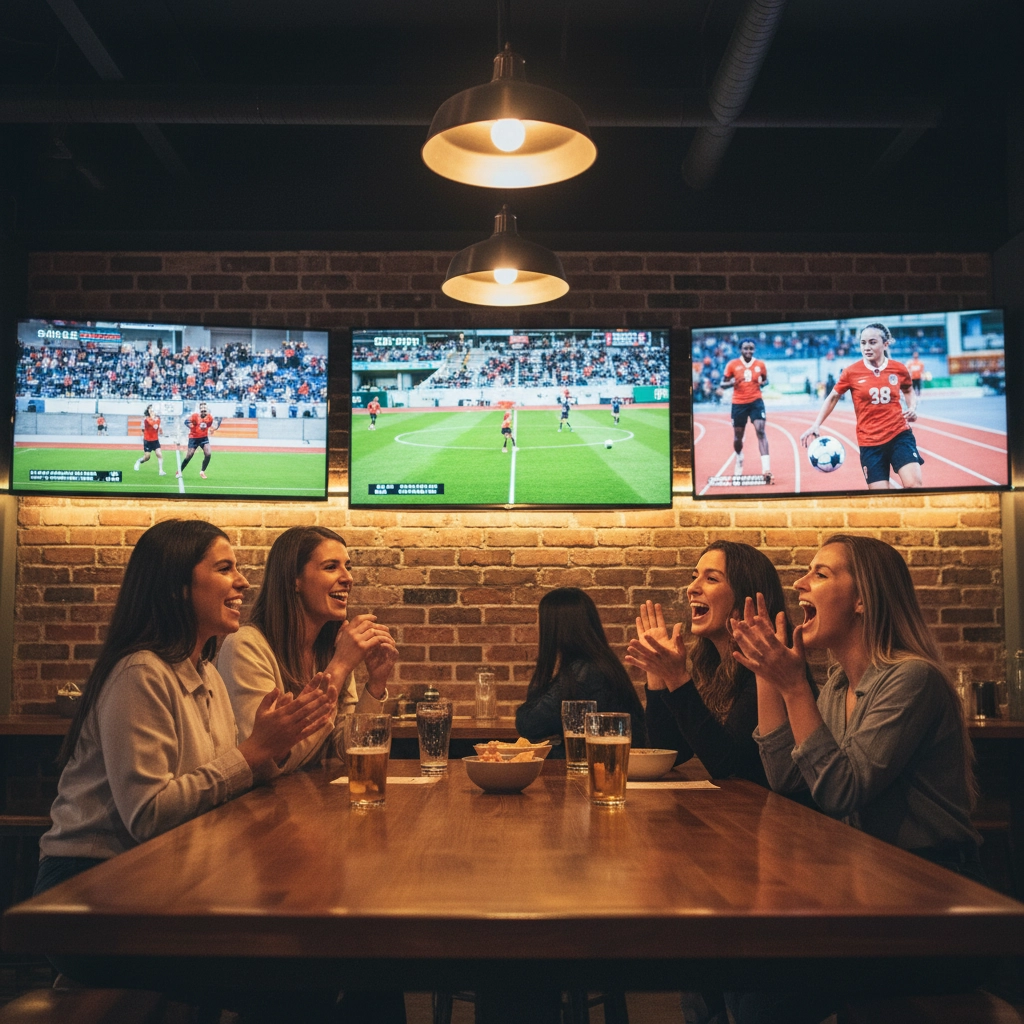
Community formation extends to physical spaces. Women's sports bars have opened nationwide to provide dedicated viewing environments for female sports content. These establishments create multiplier effects for athlete visibility and brand integration opportunities within concentrated fan demographics.
Trust and Authenticity Factors
Trust metrics for female athletes exceed industry standards across multiple categories. Consumer perception studies indicate female athletes maintain authentic relationships with endorsement products, contributing to higher conversion rates for associated brands. Purchase intent increases by an average of 10 percent among fanbases exposed to female athlete sponsorships.
Authenticity perceptions connect to athlete advocacy activities. Female athletes frequently address social justice topics, mental health awareness, and diversity initiatives through their platforms. These advocacy positions align with consumer values, particularly among Generation Z demographics who prioritize social responsibility and authenticity in brand relationships.
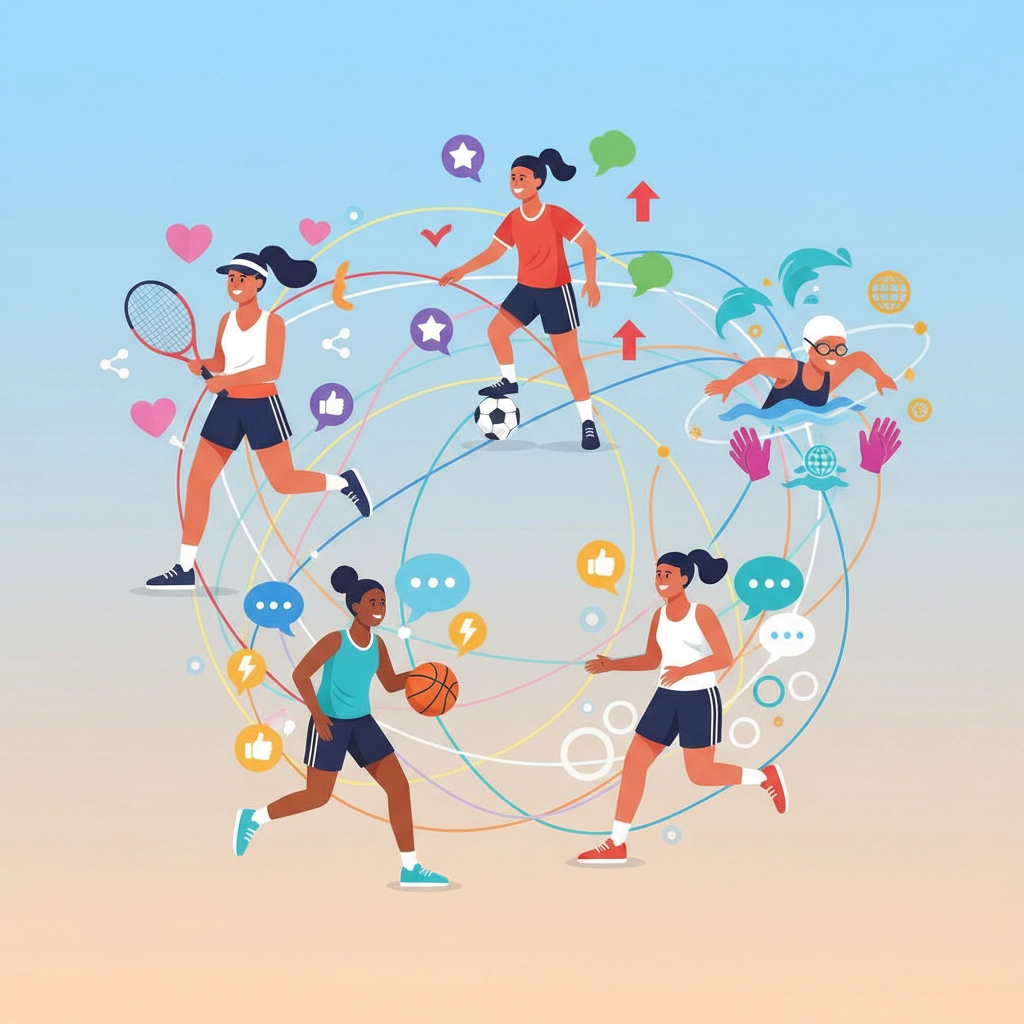
Brand partnership authenticity becomes measurable through consumer responses. Seventy-one percent of Women's World Cup fans believe sponsors demonstrate genuine commitment to gender equality through their partnerships. This belief translates to increased brand loyalty and sales performance for participating companies.
Brand Partnership Advantages
Brand partnerships with female athletes provide measurable advantages across multiple metrics. Recall rates for women's sports sponsorships consistently outperform men's sports equivalents by 100 percent margins. Purchase intent lifts average 10 percent among exposed consumer segments, with female fan demographics showing 25 percent higher conversion rates.
Generation Z consumers aged 18-24 engage with sports content through social media at 74 percent rates. This demographic shows twice the likelihood of social media sports engagement compared to consumers aged 55 and older. Female athletes' strong performance on social platforms creates direct access to the most valuable consumer demographic segments.
Trust factors contribute to partnership effectiveness. Female athletes' 57 percent genuine belief perception rates create foundation conditions for successful brand integrations. Role model status at 88 percent provides aspirational context for product recommendations and lifestyle associations.
Brand partnerships with female athletes deliver measurable conversion, retention, and advocacy metrics that exceed traditional sports marketing channels.
Implementation Strategies
Successful brand partnerships require multi-platform integration strategies. Female athlete engagement operates simultaneously across Instagram, TikTok, YouTube, and Facebook platforms. Brand campaigns must create cohesive messaging across these channels rather than concentrating efforts on single platforms.
Authentic community activation represents essential partnership elements. High trust levels for female athletes create rapid detection of inauthentic commercial relationships. Brands must demonstrate genuine investment in female athlete support and align with stated athlete values to maintain community credibility.
Content creation partnerships leverage female athletes' demonstrated content generation capabilities. Social media performance data indicates female athletes create engaging content that reaches audiences in natural contexts rather than promotional environments. This organic integration increases message effectiveness and audience receptivity.
Values alignment creates sustainable partnership foundations. Female athletes' advocacy for social justice, equality, and wellness topics provides partnership opportunities for brands sharing these commitments. Consumer research indicates values-based partnerships generate stronger loyalty and conversion outcomes.
Platform-Specific Engagement
Different social media platforms serve distinct functions within female athlete community building. Instagram provides visual storytelling capabilities for lifestyle and training content. TikTok enables short-form content creation that generates viral engagement potential. YouTube supports long-form narrative content for deeper audience connections.
Facebook maintains broader demographic reach including older consumer segments. Multi-platform presence allows brands to target specific audience segments through appropriate content formats while maintaining consistent messaging across channels.
Platform engagement rates vary by sport and athlete profile. Individual sports athletes often generate higher social media following than team sport participants. Combat sports, gymnastics, and tennis athletes frequently lead engagement metrics due to individual narrative focus and competition scheduling.
Consumer platform preferences align with demographic characteristics. Generation Z consumers prefer TikTok and Instagram for sports content consumption. Millennial demographics utilize Instagram and Facebook more frequently. Generation X consumers maintain higher Facebook and YouTube usage rates.
Measurement and Analytics
Partnership effectiveness requires specific measurement frameworks. Engagement rates, conversion tracking, and brand sentiment monitoring provide quantitative assessment tools. Recall studies and purchase intent surveys deliver additional performance indicators for partnership evaluation.
Social media analytics platforms provide real-time performance data for partnership campaigns. Engagement quality metrics differentiate between passive viewing and active audience participation. Comment sentiment analysis identifies authentic audience response patterns versus promotional reactions.
Brand lift studies measure partnership impact on overall brand perception and purchase behavior. These studies track changes in brand awareness, consideration, and preference among target demographic segments exposed to female athlete partnerships compared to control groups.
Long-term partnership value assessment requires tracking audience growth, engagement consistency, and brand association strength over extended periods. Successful partnerships demonstrate sustained audience growth and maintained engagement rates rather than temporary activation spikes.
[5646]Spin Login PH – Maglaro ng Legit Slots via GCash,Gamitin ang spin login ph para sa mabilis na access. Mag-spin app download na at alamin kung paano maglaro ng baccarat. Mag-sign up na para sa casino bonus for beginners! visit: spin