
User-generated content represents a fundamental shift in sports marketing dynamics. Teams, athletes, and brands utilizing UGC strategies on Fanz.us experience measurable increases in engagement metrics and community growth. This content format leverages authentic fan interactions to build brand visibility and trust.
The effectiveness of UGC stems from its authentic nature. Sports fans respond more favorably to content created by peers than traditional advertising formats. Research indicates that UGC generates engagement rates up to eight times higher than brand-created content across sports social media platforms.
1. Implement Video-First Fan Challenges
Video content dominates engagement metrics on social media platforms. Sports brands should prioritize video-based UGC campaigns that encourage fan participation through structured challenges.
Effective video challenges provide clear parameters while allowing creative freedom. Examples include "Show Your Game Day Setup" or "Recreate This Play" campaigns. These formats generate content that showcases fan dedication while promoting brand visibility.
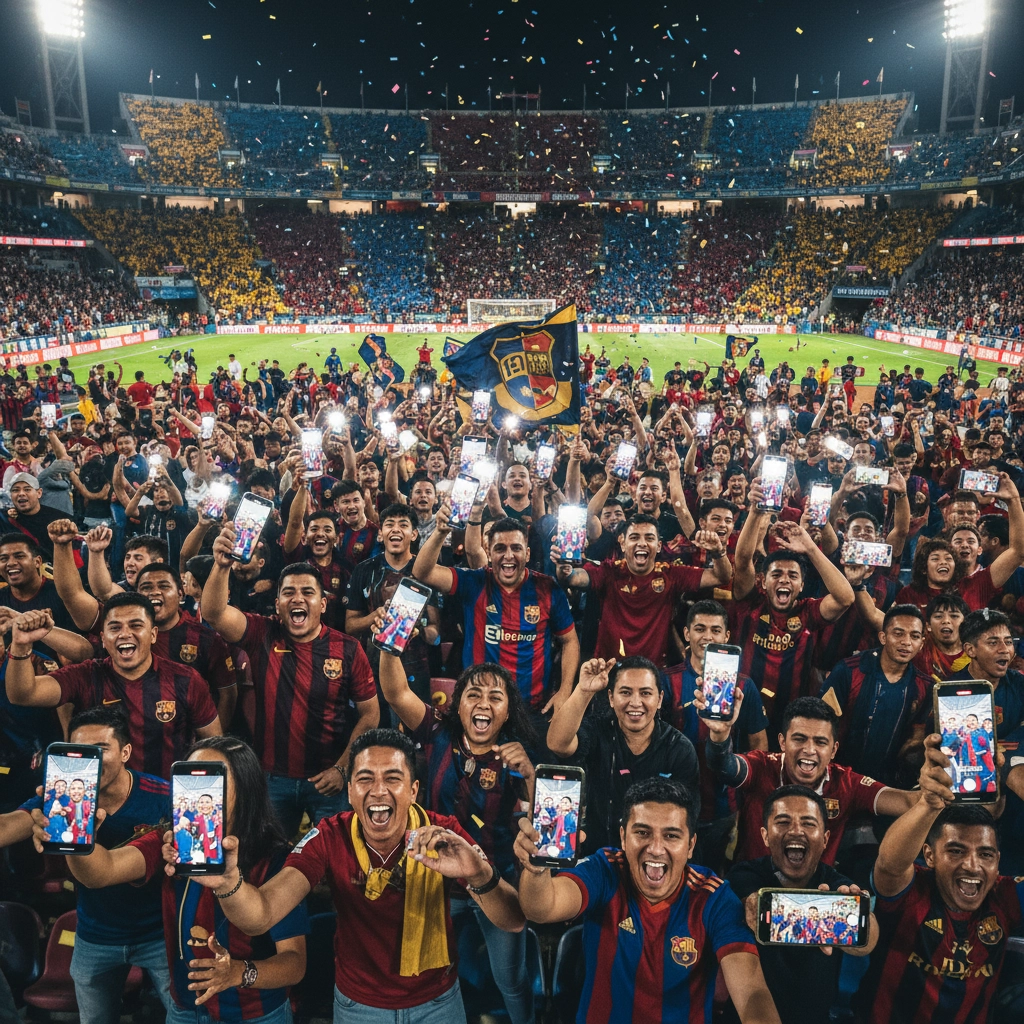
The implementation process requires defining specific hashtags, creating example content, and establishing submission guidelines. Brands should provide templates or starter content to guide fan participation while maintaining consistency with brand messaging.
Video challenges perform optimally when they align with current events, game schedules, or seasonal celebrations. Timing these campaigns around major games or tournaments maximizes participation rates and organic reach.
Teams utilizing video challenges on Fanz.us report engagement increases of 40-60% during active campaign periods. The platform's video-sharing capabilities enable seamless distribution of fan-created content across multiple social channels.
2. Develop Reward-Based Participation Systems
Incentivizing UGC creation through structured reward systems increases participation rates and content quality. Sports brands should implement point-based or tiered reward programs that recognize fan contributions.
Effective reward systems operate on multiple levels. Basic participation earns standard points, while high-quality content or viral posts receive bonus recognition. This structure encourages consistent engagement while rewarding exceptional contributions.
Reward categories should include content creation, sharing activities, and community engagement. Points can be redeemed for merchandise, exclusive access, or premium platform features. The system creates ongoing motivation for fan participation.

Implementation requires establishing clear criteria for point allocation and reward distribution. Automated systems work best for basic activities, while high-value rewards may require manual review processes.
Successful programs on Fanz.us incorporate gamification elements such as leaderboards, achievement badges, and milestone celebrations. These features transform content creation from a one-time activity into an ongoing engagement strategy.
3. Leverage Fan Content for Merchandise Marketing
Fan-generated content serves as authentic product endorsements that drive merchandise sales. When supporters showcase team gear, equipment, or branded items, it creates peer-to-peer marketing opportunities that traditional advertising cannot replicate.
The approach involves encouraging fans to share photos and videos featuring branded merchandise in natural settings. This content demonstrates product usage and builds social proof among potential customers.
Brands should create specific hashtags for merchandise-focused campaigns and regularly feature fan content on official channels. This recognition encourages continued participation while showcasing product versatility and appeal.
Merchandise-focused UGC works particularly well when tied to product launches, seasonal collections, or limited edition releases. The urgency creates natural motivation for fans to participate and share their purchases.
User-generated merchandise content generates conversion rates 29% higher than traditional product photography in sports retail applications.
Results tracking should include engagement metrics, click-through rates, and direct sales attribution from featured fan content. These measurements demonstrate ROI and inform future campaign strategies.
4. Enable Real-Time Event Integration
Live event integration represents one of the most effective UGC strategies for sports brands. Allowing fans to contribute content during games, tournaments, or special events creates immediate engagement and community building opportunities.
The integration process involves establishing submission mechanisms, content moderation systems, and display protocols. Fans should be able to easily submit content that could appear on venue screens, official social channels, or platform feeds.

Real-time integration requires technical infrastructure capable of handling high-volume submissions during peak events. Content moderation becomes critical to ensure appropriate material reaches public displays.
Successful implementations include photo contests during halftime, fan prediction games, and crowd reaction compilations. These activities maintain engagement during natural breaks in event action.
Teams utilizing real-time UGC integration on Fanz.us report increased venue engagement and extended digital reach beyond physical attendance. The strategy transforms passive viewers into active content contributors.
5. Showcase Athletic Achievement Stories
Personal achievement content resonates strongly with sports audiences. Brands should encourage athletes and fans to share training progress, accomplishment milestones, and transformation stories that incorporate brand elements.
This content type builds emotional connections between brands and audiences through authentic storytelling. Achievement stories demonstrate product effectiveness while inspiring community members to pursue their own goals.
Content categories should include training progressions, competition results, personal records, and recovery journeys. Each story type offers different engagement opportunities and brand integration possibilities.
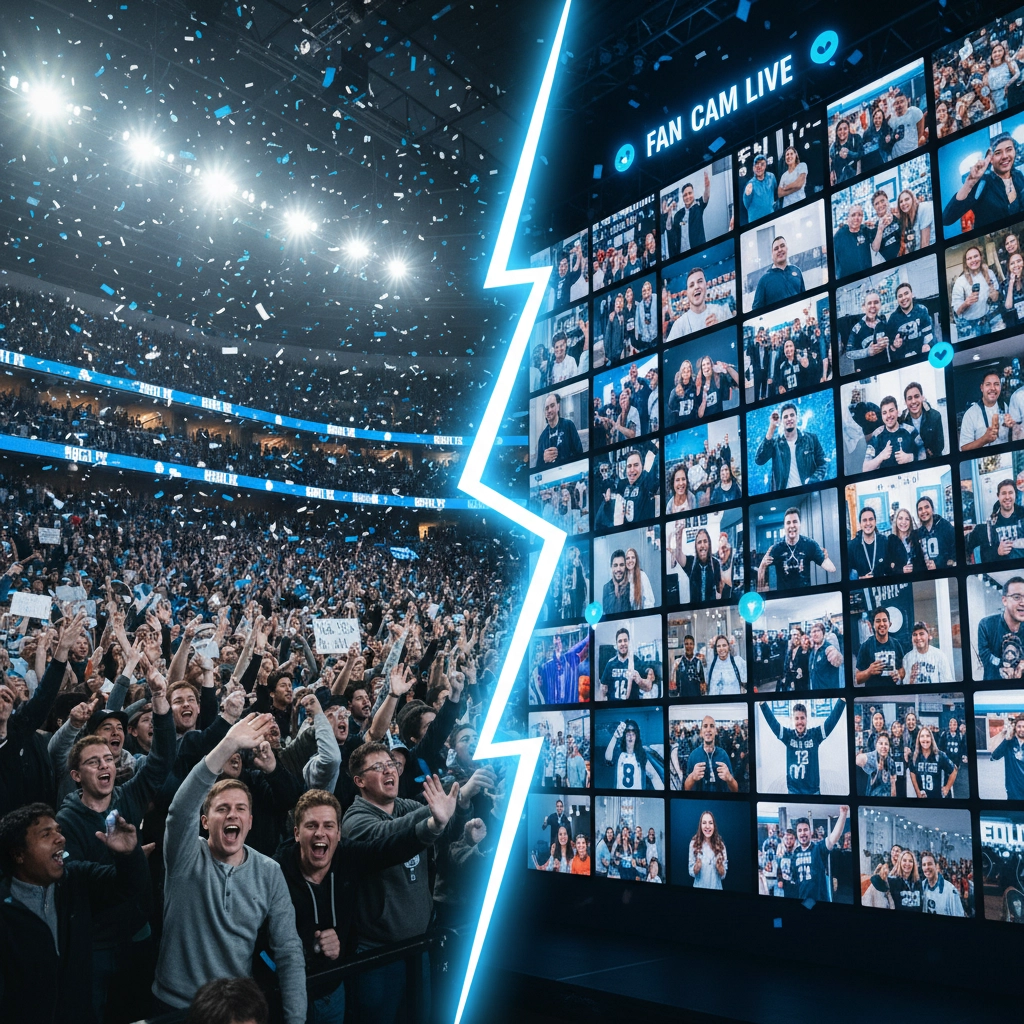
Brands should provide content templates and storytelling frameworks to help contributors create compelling narratives. Technical support and editing resources can improve content quality and consistency.
Achievement-focused UGC campaigns work effectively when aligned with fitness seasons, training periods, or major competitions. The timing creates natural content opportunities and audience interest.
Implementation Best Practices
Successful UGC campaigns require systematic planning and execution. Brands should establish clear objectives, success metrics, and content guidelines before launching initiatives.
Technical infrastructure must support content submission, moderation, and distribution processes. Platform capabilities should align with campaign requirements to ensure smooth user experiences.
Content moderation policies need clear definition and consistent application. Automated filtering systems should handle basic compliance while human reviewers manage edge cases and quality control.

Community management becomes essential during active UGC campaigns. Brands must respond to submissions, engage with contributors, and maintain campaign momentum through ongoing interaction.
Legal considerations include rights usage, content ownership, and privacy compliance. Clear terms and conditions should govern UGC submission and usage across all platforms and marketing channels.
Measuring UGC Success
Performance measurement requires tracking multiple metrics across engagement, reach, and conversion categories. Standard metrics include submission volume, engagement rates, and viral coefficient calculations.
Advanced analytics should examine content quality scores, participation demographics, and campaign ROI measurements. These insights inform future strategy development and budget allocation decisions.
Platform-specific metrics on Fanz.us include follower growth, community activity levels, and content sharing patterns. These measurements demonstrate campaign effectiveness within the target platform ecosystem.
Regular reporting cycles enable campaign optimization and strategic adjustments. Monthly performance reviews should include metric analysis, trend identification, and recommendation development for ongoing improvements.
User-generated content strategies deliver measurable results when implemented systematically across sports marketing initiatives. The five approaches outlined provide frameworks for developing authentic fan engagement that drives brand growth and community development on Fanz.us and related platforms.
[1556]Jetwing Official Login | বিকাশ পেমেন্ট ও সেরা অনলাইন ক্যাসিনো বোনাস,jetwing প্ল্যাটফর্মে সহজে লগইন করে সেরা স্লট গেমগুলো উপভোগ করুন। বিকাশ দিয়ে পেমেন্ট এবং আকর্ষণীয় বোনাস পেতে আজই অ্যাপটি ডাউনলোড করে খেলা শুরু করুন। visit: jetwing
[9319]Raja700: Login Daftar Akun Situs Slot Deposit Dana,raja700 memudahkan login dan daftar akun untuk akses situs slot deposit dana. Pelajari cara main casino online dan download apk slot gacor di sini. visit: raja700