
Generation Z sports fans require distinct engagement approaches compared to previous demographics. This audience demonstrates specific consumption patterns and preferences that necessitate targeted strategies. Organizations seeking to connect with Gen Z sports fans must implement data-driven methods aligned with documented behavioral trends.
Strategy 1: Implement Social Media-First Content Distribution
Social media platforms serve as the primary touchpoint for Gen Z sports engagement. Research indicates that 96 percent of Gen Z individuals own smartphones, with 85 percent utilizing social media platforms for product and promotional discovery. During live sports viewing, 43 percent of Gen Z fans simultaneously engage with social media content.
TikTok represents the most critical platform for sports organizations targeting this demographic. Content strategies should extend beyond game-day coverage to include pre-game and post-game material. This approach maintains consistent engagement throughout event cycles rather than limiting interaction to specific time periods.
Athletes function as influential content creators within Gen Z social ecosystems. Organizations benefit from developing athlete-centric content that provides authentic access and interaction opportunities. Fan-generated content sharing across official channels amplifies reach and demonstrates community engagement.
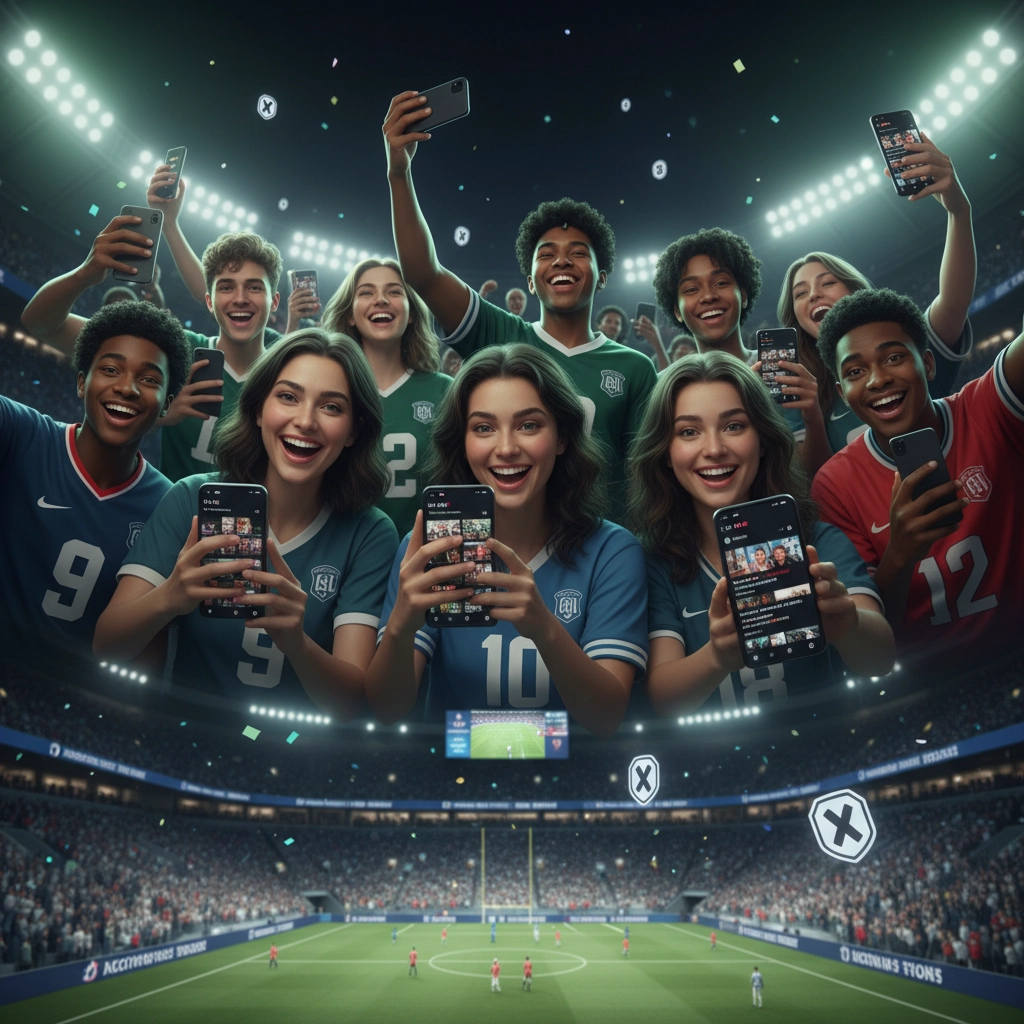
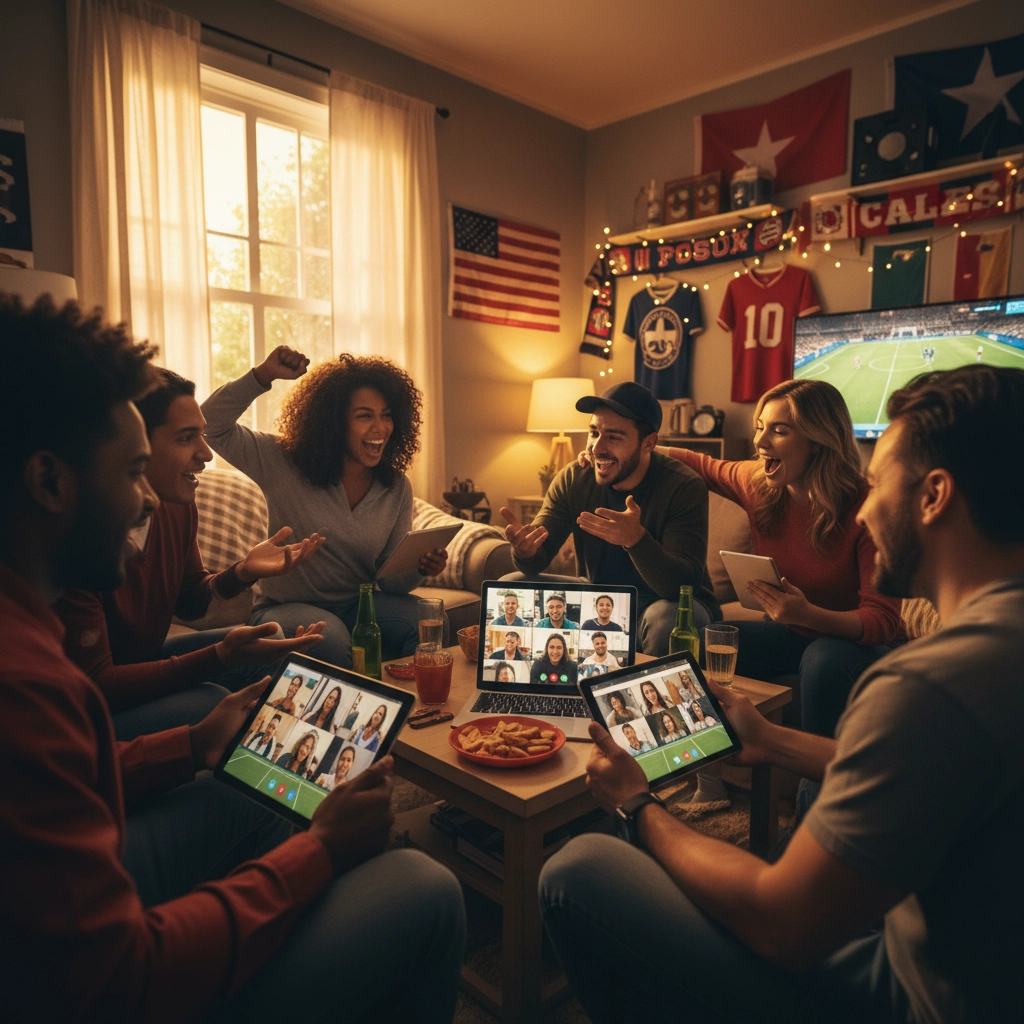
Synchronized viewing experiences, such as watch party features on streaming platforms, facilitate social connection during live events. These tools enable distributed audiences to maintain shared viewing experiences while engaging in real-time commentary and interaction.
Strategy 2: Prioritize Short-Form, Mobile-Optimized Content
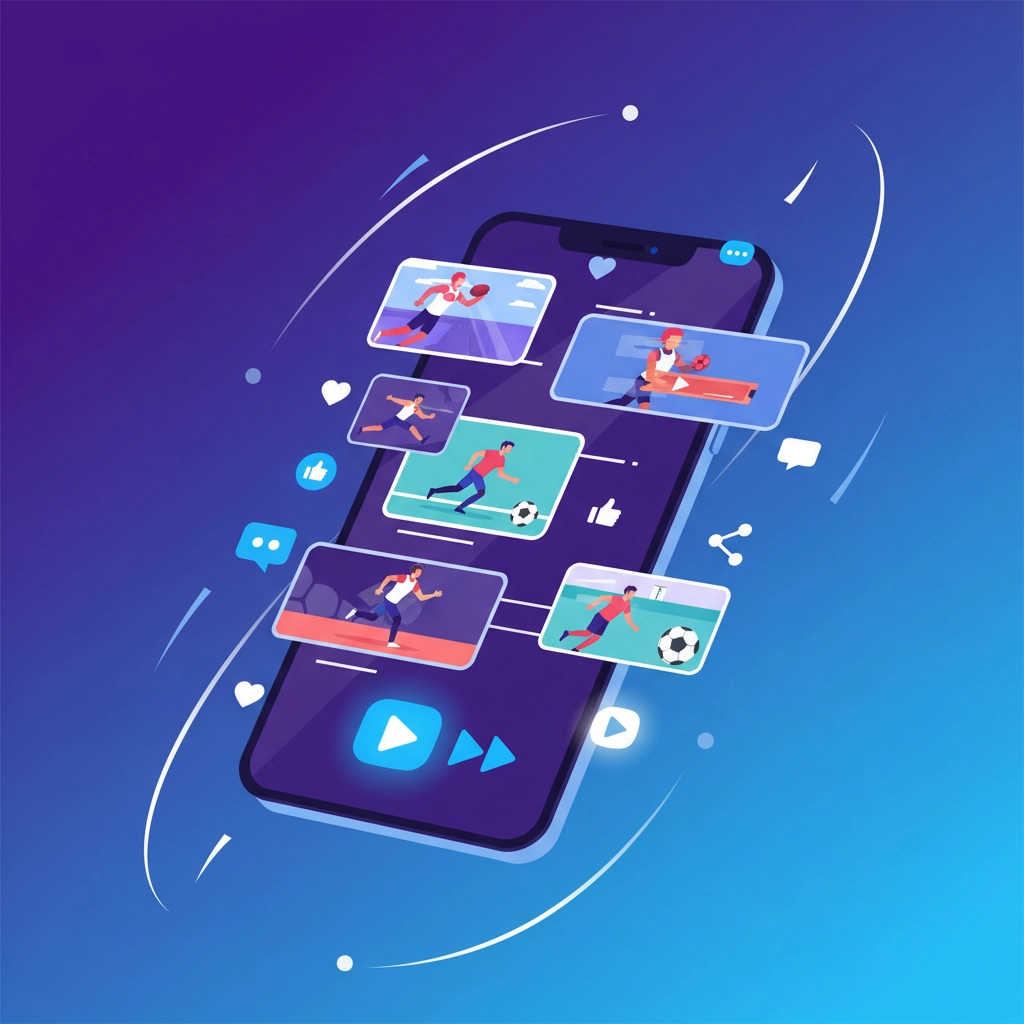
Gen Z content consumption patterns favor abbreviated formats over traditional long-form media. Data shows 90 percent growth in football highlight searches, indicating preference for condensed content over full-game broadcasts. Content strategies must align with mobile-first consumption across platforms including TikTok, Instagram Reels, and Twitter.
Personalized content delivery systems provide customized team updates, player information, and game highlights through targeted notifications and alerts. This approach delivers relevant information without requiring active content searching from users.
Organizations should provide branded content creation tools enabling fans to produce personalized highlight videos, player cards, and statistical content for social sharing. These tools reduce content creation barriers while maintaining brand consistency across user-generated materials.
Behind-the-scenes footage packaged in short-form segments builds authentic connections between fans and teams. This content type provides exclusive access while maintaining optimal length for Gen Z attention spans.
Strategy 3: Deploy Interactive Gamification Elements
Interactive features transform passive viewing into active participation experiences. Live polling and quiz functionality during events enables real-time smartphone engagement for both stadium and remote audiences. These tools maintain attention throughout event duration while providing entertainment during natural game breaks.
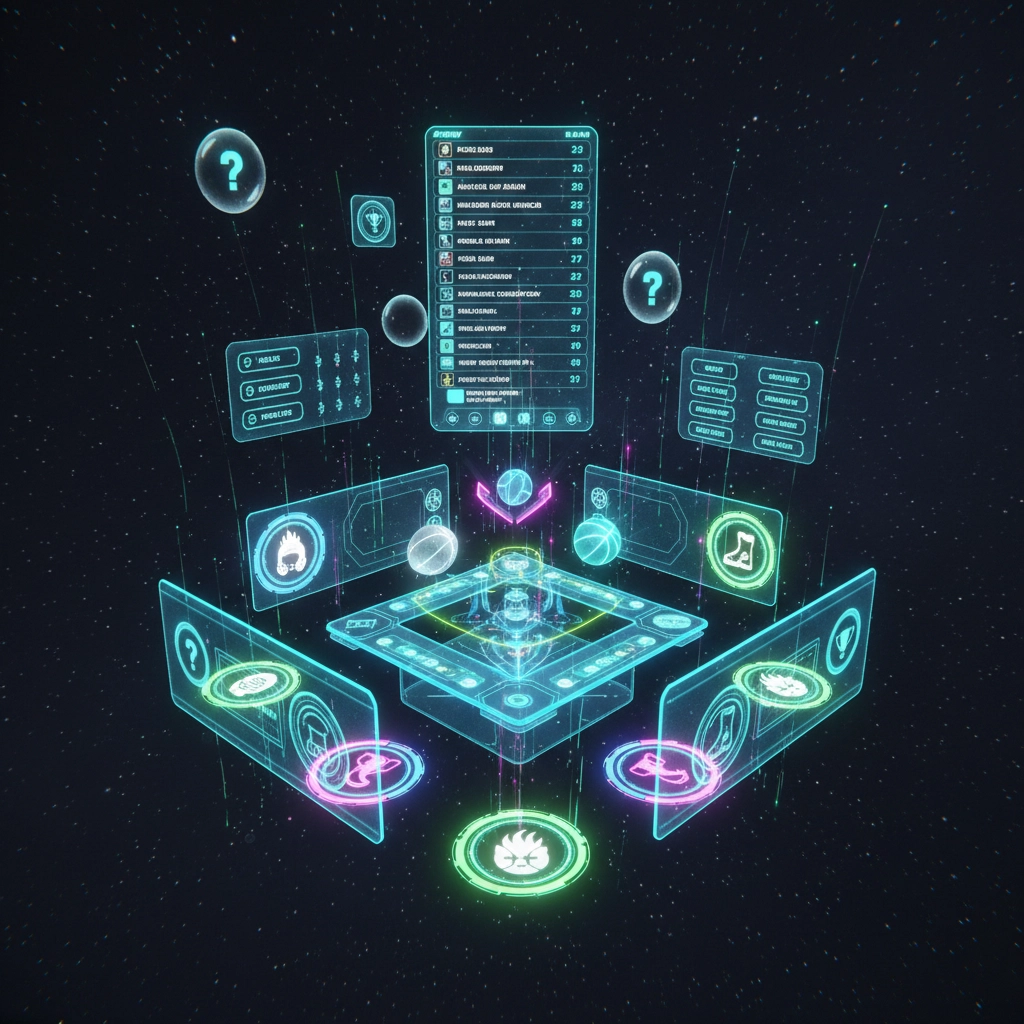
Gamification components including leaderboards, achievement systems, and point accumulation create ongoing engagement incentives. Prediction engines allow fans to make game forecasts and earn recognition for accurate calls. Research projects gamification market value to exceed $78 billion by 2030, indicating substantial growth in this engagement category.
Fan-focused applications should incorporate exclusive content access, real-time statistical data, game-day information, and interactive competitions with prize distribution. These features incentivize regular platform usage while providing value-added services beyond basic content consumption.
Multi-layered reward systems tied to digital interactions can monetize engagement through exclusive access, early ticket purchasing, and premium content availability. This approach converts digital engagement into revenue-generating activities.
Strategy 4: Enable Fan Expression and Community Building
Gen Z sports fans prefer active participation over passive content consumption. Platforms should provide tools for personalized fandom expression including custom team selections, fantasy results sharing, and favorite player content creation.
Organizations benefit from developing proprietary video platforms that extend beyond third-party social networks. These platforms can feature multi-angle replay systems, live watch parties with influencer participation, and discussion communities that reward engagement through points systems for predictions, trivia participation, and commentary contribution.
Research indicates 50 percent of Gen Z sports fans utilize social media for game-time interaction with other users. Organizations must create accessible online platforms facilitating socialization and connection during live events. These platforms should support community formation around shared interests and team affiliations.
Content creation tools should enable fans to showcase individual preferences and creative expression while maintaining brand guidelines. User-generated content campaigns can amplify reach while providing authentic fan perspectives on teams and players.
Strategy 5: Integrate Immersive Technology Experiences
Augmented Reality (AR) and Virtual Reality (VR) technologies provide advanced engagement opportunities for next-generation fan experiences. These technologies should create virtual stadium tours, interactive player encounters, and enhanced replay experiences that exceed traditional viewing options.
AR applications can include sponsored prize integration into social media feeds and live crowd video filters during broadcast experiences. These features blend digital and physical event experiences while providing additional value for both fans and sponsors.
Virtual experiences serve global audiences unable to attend live events, creating digital spaces where distributed fans can interact and participate in shared cheering experiences. This approach expands potential audience reach beyond geographic limitations while maintaining community engagement elements.
Sports leagues have adapted gameplay to align with Gen Z attention preferences. Baseball's pitch clock implementation reduced average game duration by 24 minutes while increasing action frequency. Cricket's Twenty20 format condenses matches to 2.5 hours, demonstrating how rule modifications that maximize action and minimize downtime align with documented Gen Z attention patterns.
Implementation Considerations
Successful Gen Z engagement requires consistent measurement and optimization of these strategies. Organizations should track engagement metrics across all platforms to identify effective content types and optimal posting schedules. A/B testing of different content formats provides data-driven insights for strategy refinement.
Cross-platform integration ensures consistent brand messaging while optimizing content for platform-specific requirements. Each strategy should complement others to create comprehensive engagement ecosystems rather than isolated initiatives.
Budget allocation should prioritize mobile-first content creation and social media management resources. Technical infrastructure investments in gamification features and immersive technology capabilities require substantial initial investment but provide long-term competitive advantages.
Staff training on Gen Z communication preferences and platform functionality ensures authentic engagement rather than forced marketing approaches. This demographic responds negatively to obvious promotional content, requiring subtle integration of brand messaging within valuable content.
Regular strategy assessment and adaptation remains essential as Gen Z preferences continue evolving with new technology adoption and platform emergence. Organizations must maintain flexibility in approach while consistently delivering value through authentic, interactive experiences that respect this audience's preferences for authenticity and community connection.
[8709]poko লগইন এবং অ্যাপ ডাউনলোড | বিকাশ ক্যাসিনো ডিপোজিট,poko লগইন করার নিয়ম জানুন এবং অ্যাপ ডাউনলোড করে অনলাইন স্লট গেম খেলার নিয়ম শিখুন। বিকাশ দিয়ে ক্যাসিনো ডিপোজিট করে আজই গেম শুরু করুন। visit: poko
[7220]bdvegas লগইন এবং বিকাশ পেমেন্টসহ লাইভ ক্যাসিনো গেম,bdvegas অ্যাপ ডাউনলোড লিঙ্ক এবং লগইন করার নিয়ম জানুন। বিকাশ দিয়ে অনলাইন ক্যাসিনো পেমেন্ট ও মোবাইলে স্লট গেম খেলার সহজ উপায় পেতে আজই ভিজিট করুন। visit: bdvegas