
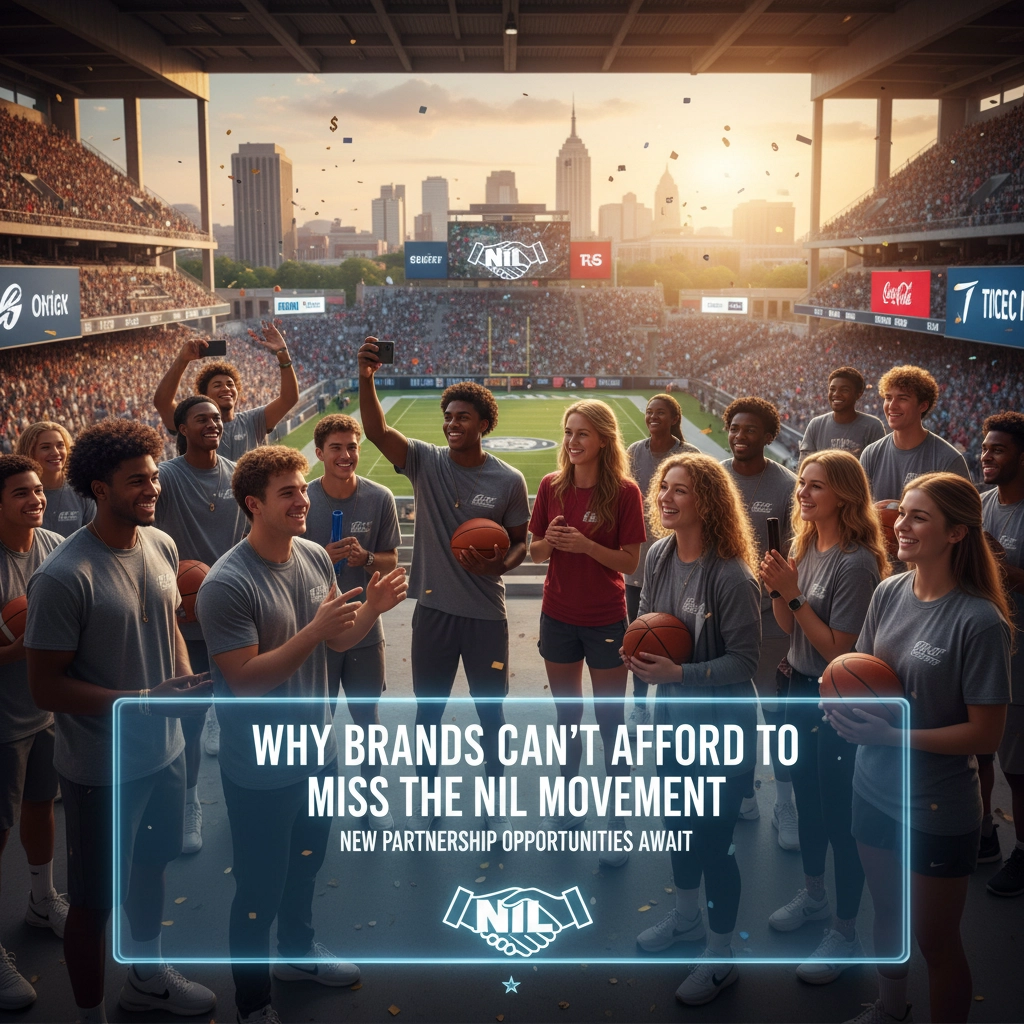
The Name, Image, and Likeness (NIL) market represents a fundamental shift in collegiate athletics marketing. Brands operating across sectors now access direct partnerships with student-athletes through structured programs that deliver measurable engagement metrics. The regulatory framework supporting NIL activities continues expanding, with forty states permitting high school NIL deals and institutional support mechanisms developing rapidly.
Brand participation in NIL programs generates specific advantages through athlete influencer access, authentic marketing opportunities, and community impact initiatives. The market structure accommodates organizations of varying scales, from local businesses to multinational corporations, through flexible partnership models and diverse engagement strategies.
Market Scale and Growth Trajectory
The NIL economy demonstrates consistent expansion across multiple sectors. National brands account for over sixty percent of NIL deal value, indicating institutional confidence in the market's sustainability. Apparel and footwear sectors represent approximately four hundred million dollars in annual spending, with energy supplements, financial services, and healthcare organizations following as primary participants.

Market expansion extends beyond traditional sports marketing categories. Grocery retailers, moving companies, technology platforms, and financial institutions implement NIL partnerships as standard marketing components. This diversification indicates broad applicability across business sectors rather than limitations to athletic-related brands.
"The NIL landscape represents a permanent shift in college sports marketing rather than a passing phenomenon. Brands that delay engagement risk losing first-mover advantages as the market matures."
Athletic department partnerships through platforms provide structured access to athlete rosters, compliance support, and performance tracking systems. These institutional relationships reduce administrative complexity while ensuring regulatory adherence across multiple jurisdictions.
Engagement Performance Metrics
College athletes demonstrate engagement rates averaging three times higher than non-athlete influencers across social media platforms. This performance advantage stems from authentic community connections, regional loyalty factors, and demographic alignment with target audiences. Athletes function as trusted community figures, particularly within their geographic markets and alumni networks.
Engagement metrics extend beyond standard social media measurements. NIL partnerships generate attendance increases, merchandise sales growth, and brand awareness improvements within specific demographic segments. These results occur through authentic endorsement relationships rather than traditional advertising approaches.
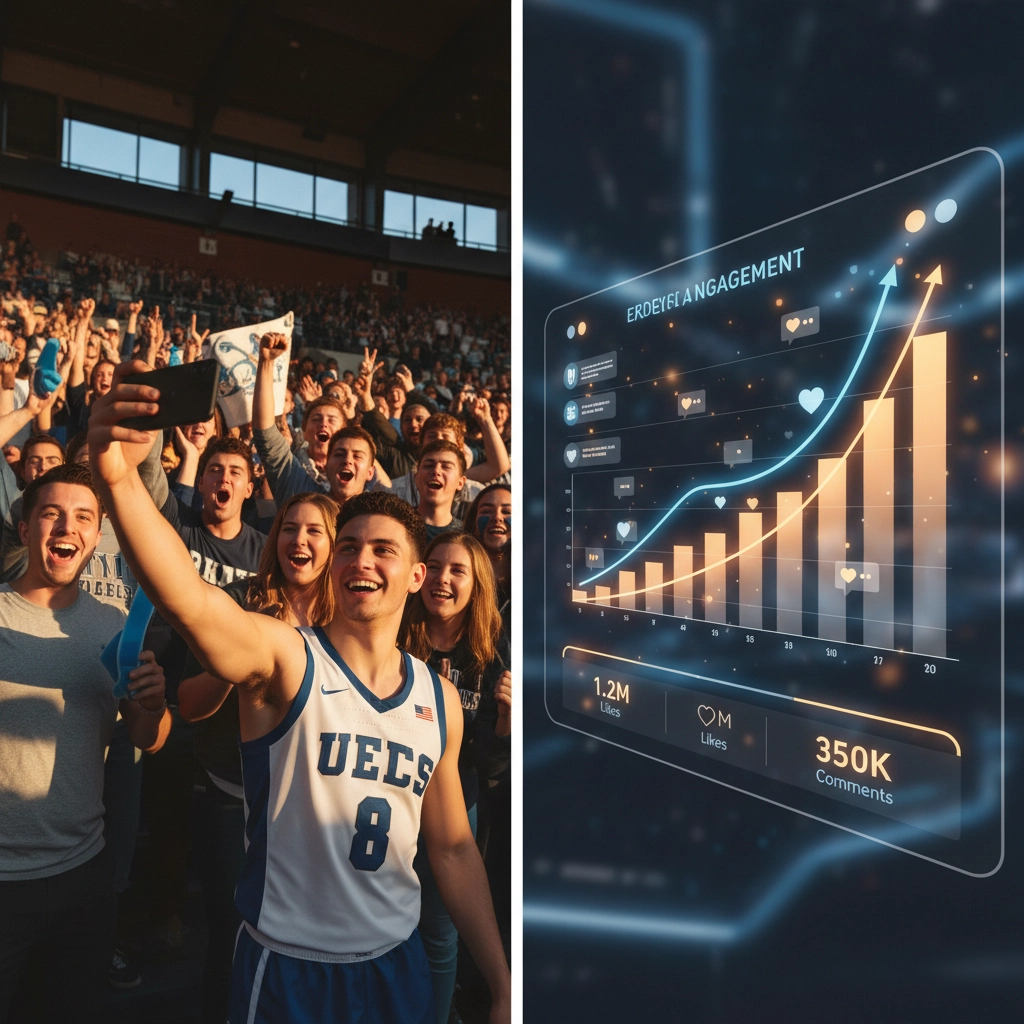
Brand partnerships with athletes provide access to Generation Z and Generation Alpha demographics through trusted intermediaries. This audience access occurs within controlled, media-trained environments that minimize reputational risks associated with influencer marketing strategies.
Strategic Partnership Advantages
NIL programs offer brands authentic storytelling opportunities through athlete experiences, training regimens, and community involvement activities. These narratives provide content creation resources that extend beyond single campaign executions into ongoing relationship development.
Partnership structures accommodate various budget levels and engagement approaches. Brands implement NIL strategies through scholarship programs, internship opportunities, product endorsements, or content creation partnerships. This flexibility allows organizations to align NIL activities with existing marketing objectives and resource allocations.
"Athletes serve as effective brand ambassadors, particularly for sectors promoting healthy lifestyles, wellness initiatives, and preventative care. This authenticity translates into meaningful audience engagement."
The cost of entry for NIL partnerships remains accessible for organizations across size categories. Local businesses implement successful athlete partnerships with modest investment levels, while larger organizations develop comprehensive programs spanning multiple institutions and geographic markets.
Educational and Scholarship Opportunities
Brands participating in NIL programs contribute to student-athlete development through educational initiatives, business incubators, and scholarship programs. These contributions create positive community impact while establishing long-term relationship foundations with emerging talent.
Educational series components include business development workshops, entrepreneurship training, personal branding instruction, and professional development courses. Brands providing these resources gain access to motivated, high-achieving individuals while supporting career development objectives.
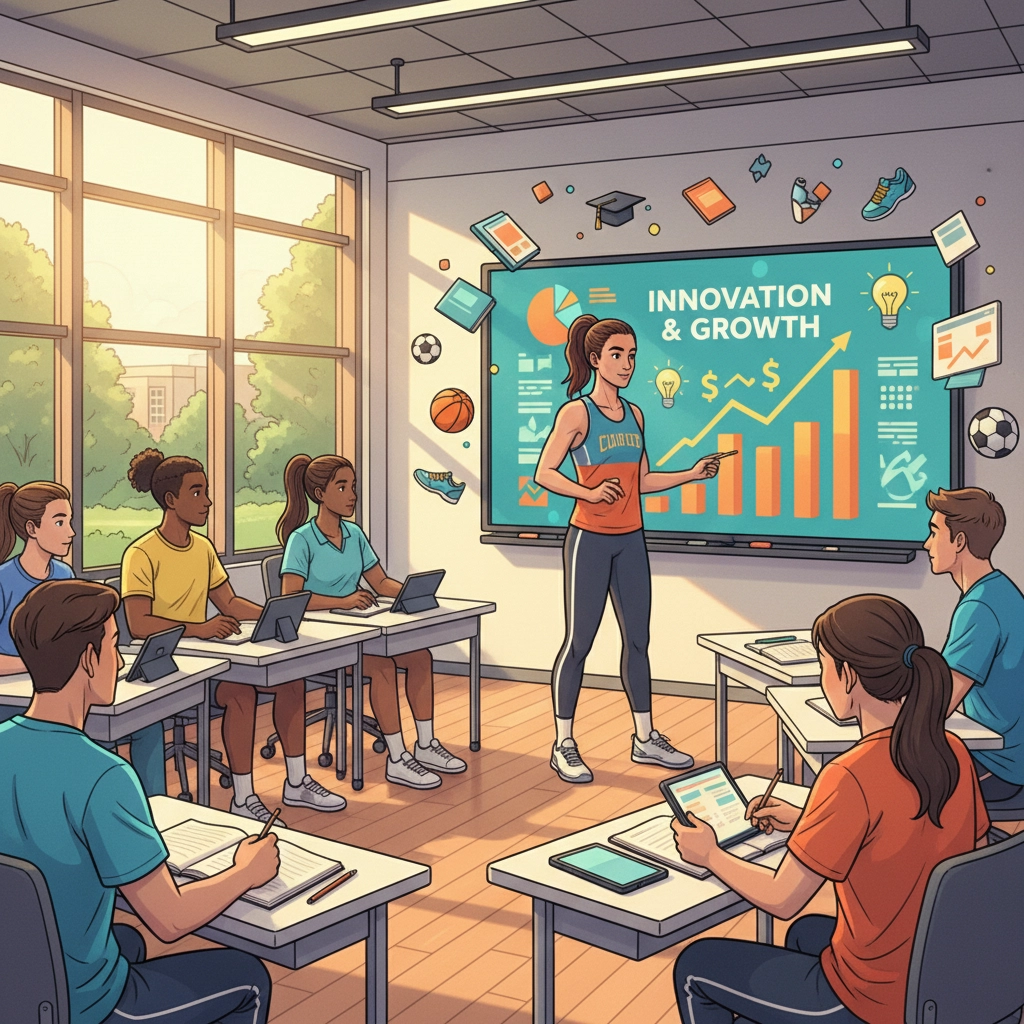
Internship programs through NIL partnerships offer brands direct access to student-athlete talent pools for marketing, content creation, event management, and business development roles. These programs create pipeline relationships that extend beyond collegiate careers into professional opportunities.
Scholarship programs linked to NIL partnerships allow brands to support educational objectives while maintaining marketing relationship benefits. These programs demonstrate corporate social responsibility while creating authentic brand associations with academic achievement and community support.
Implementation Framework
Brand participation in NIL programs requires structured approaches encompassing legal compliance, performance measurement, and relationship management components. Platform-based solutions provide comprehensive support systems that address these requirements through integrated service offerings.
Compliance considerations include NCAA regulations, state-specific legislation, and institutional policies that govern NIL activities. Professional platform providers offer compliance support, contract management, and reporting systems that ensure regulatory adherence across multiple jurisdictions.
"For organizations seeking to connect with younger audiences, build brand authenticity, or develop long-term partnerships with rising talent, the strategic imperative is clear: the NIL movement offers differentiated marketing opportunities."
Performance measurement systems track engagement metrics, brand awareness indicators, and conversion rates specific to NIL partnership activities. These measurement capabilities allow brands to evaluate program effectiveness and optimize resource allocation across athlete partnerships.
Relationship management protocols establish communication frameworks, expectation alignment, and performance standards that support successful long-term partnerships. These systems ensure consistent brand representation while providing athletes with professional development support.
Sector-Specific Applications
Healthcare organizations utilize NIL partnerships to promote wellness initiatives, preventative care programs, and healthy lifestyle messaging through athlete endorsements. These partnerships leverage athletes' credibility regarding physical fitness and health maintenance practices.
Financial services companies implement NIL programs to educate student-athletes regarding financial literacy, investment strategies, and career planning. These partnerships create authentic educational opportunities while establishing brand relationships with high-achieving demographics.
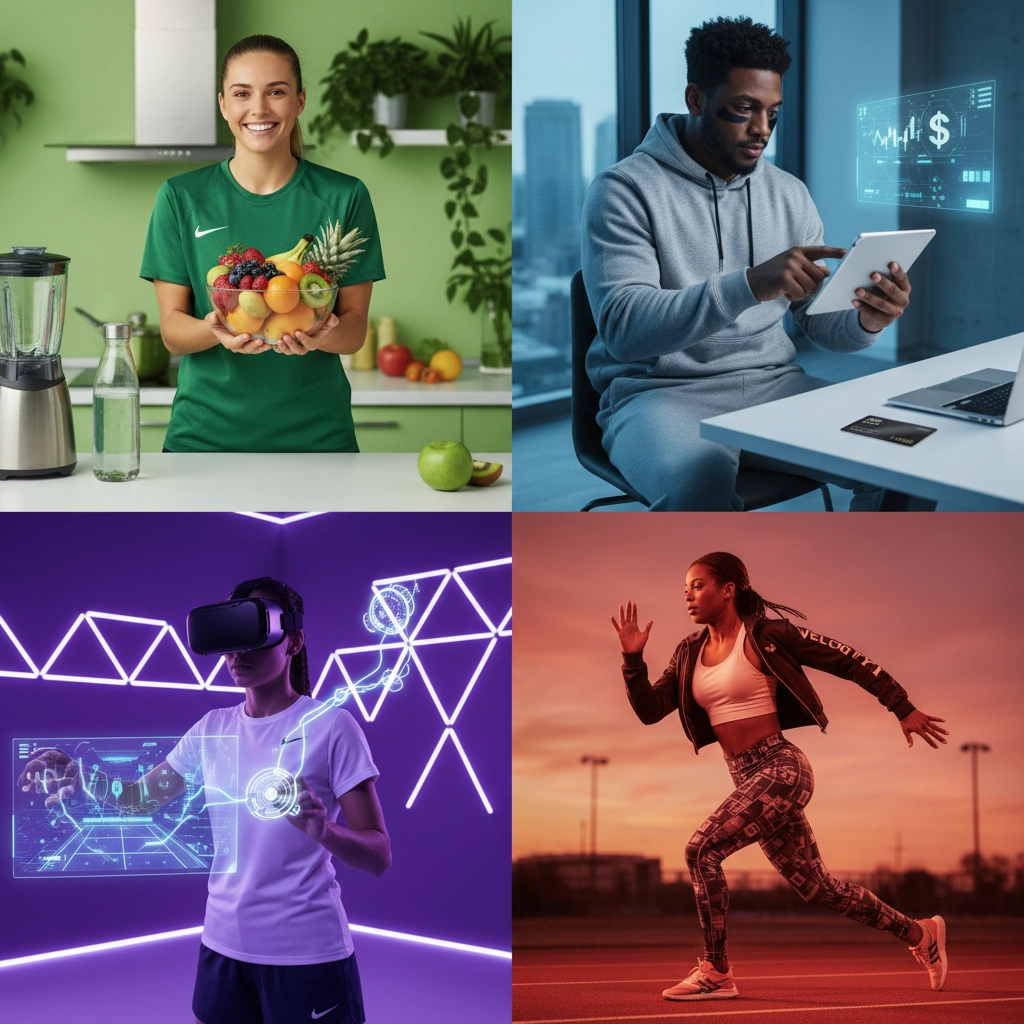
Technology companies engage athletes for product testing, content creation, and demographic research activities. These partnerships provide access to target user groups while supporting product development and marketing strategy formation.
Apparel and equipment manufacturers maintain traditional NIL partnership approaches while expanding into lifestyle branding, community engagement, and social responsibility initiatives that extend beyond product promotion activities.
Market Positioning Requirements
Early market participation provides competitive advantages through relationship establishment, market knowledge development, and operational experience accumulation. Brands entering NIL markets during formative periods access optimal partnership opportunities before market commoditization occurs.
Platform selection determines partnership scope, compliance support availability, and performance measurement capabilities. Comprehensive platform providers offer integrated solutions that address multiple NIL program requirements through single-source relationships.
Resource allocation strategies must account for partnership development timelines, relationship maintenance requirements, and performance evaluation periods. Successful NIL programs require consistent engagement rather than campaign-based approaches.
The NIL movement creates sustainable marketing opportunities that extend beyond traditional advertising limitations. Brand participation through structured programs generates measurable results while supporting student-athlete development objectives and community engagement initiatives.
Share this Blog LinkedIn | Facebook | Instagram | X
Hashtags
#Motivation #Branding #Strategy #Marketing #AdvertisingAndMarketing #DigitalMarketing #Innovation #NIL #Esports #Fanzus #SportsMarketing #FanEngagement #SportsBusiness #CommunityBuilding #Reddit #Instagram #TikTok #Conversion #SportsFans #SocialMediaStrategy
Contact
Dan Kost, CEO
info@fanz.us
970-545-8881