
The NIL Investment Landscape
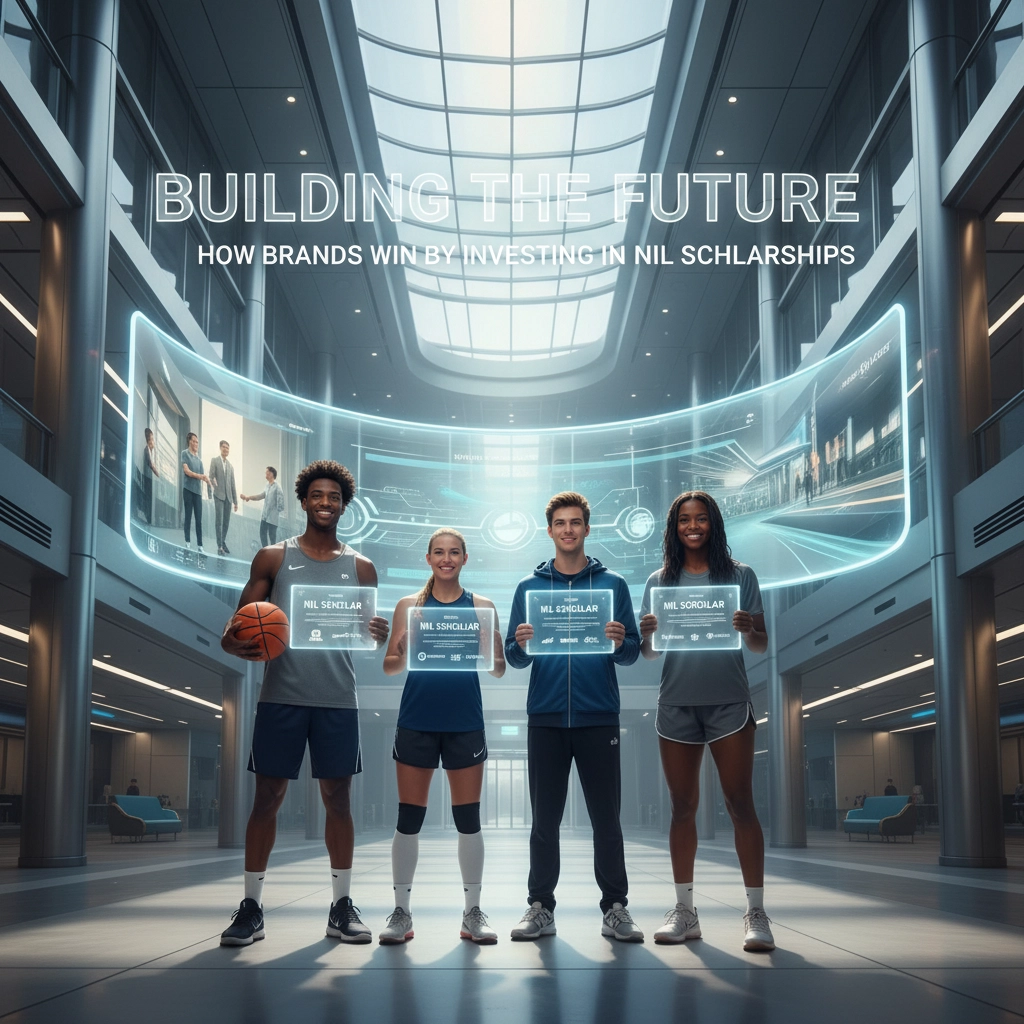
The name, image, and likeness market represents a fundamental shift in how brands engage with collegiate athletics. Since NCAA restrictions were lifted in July 2021, the landscape has evolved from experimental partnerships to structured investment opportunities. Brands that recognize NIL as a strategic channel rather than a marketing experiment position themselves for sustainable growth.
NIL scholarships and partnership programs create systematic approaches to athlete investment. These programs extend beyond traditional endorsement deals to include educational components, mentorship opportunities, and structured compensation frameworks. The distinction between opportunistic NIL deals and comprehensive scholarship programs lies in their systematic approach to athlete development and brand alignment.
Strategic Advantages of NIL Scholarship Programs
Brand investment in NIL scholarship programs generates measurable returns through multiple channels. Athletes participating in structured programs demonstrate higher engagement rates and longer partnership durations compared to traditional endorsement arrangements. The educational component of NIL scholarship programs creates deeper brand understanding among participants, resulting in more authentic promotional content.
Scholarship programs establish clear performance metrics and deliverable requirements. Participating athletes receive defined compensation structures, educational resources, and professional development opportunities. This systematic approach reduces the variability common in traditional NIL partnerships while creating scalable frameworks for brand expansion.
The demographic reach of college athletes aligns with key consumer segments for many brands. Student-athletes maintain direct connections to university communities, local markets, and digital platforms frequented by younger demographics. NIL scholarship programs leverage these existing networks through structured content creation and community engagement initiatives.
Building Long-Term Brand Loyalty
NIL scholarship programs create sustained relationships that extend beyond immediate promotional value. Athletes who receive educational support, professional development, and fair compensation demonstrate higher loyalty rates to sponsoring brands. This loyalty translates to continued partnership opportunities as athletes progress through their collegiate careers and into professional sports.
The educational component of NIL scholarship programs differentiates them from transactional partnerships. Athletes receive training in personal branding, social media management, and business fundamentals. This educational investment creates informed brand ambassadors who understand marketing objectives and can contribute meaningfully to campaign development.
Structured programs also provide athletes with financial literacy education and professional networking opportunities. These components extend the value proposition beyond immediate compensation, creating partnerships that athletes value for their career development benefits. The comprehensive nature of scholarship programs generates goodwill that influences athlete recommendations to peers and future partnership decisions.
Enhanced Brand Image Through Athletic Partnerships
Corporate investment in NIL scholarship programs demonstrates commitment to athlete welfare and education. This positioning differentiates brands from competitors who engage in purely transactional NIL arrangements. Public perception of brands that invest in athlete development typically shows improved sentiment metrics compared to traditional advertising approaches.

NIL scholarship programs provide documentation opportunities for corporate social responsibility initiatives. Brands can showcase their investment in education, athlete development, and community support through program participation statistics and success stories. This documentation supports broader corporate messaging about commitment to youth development and educational support.
The association with collegiate athletics also provides brands with access to positive brand environments. University athletics maintain strong community connections and generate consistent media coverage throughout competitive seasons. NIL scholarship programs position brands within these positive contexts while supporting athletes who represent institutional values and community pride.
Long-Term Partnership Development
Structured NIL scholarship programs create pipelines for continued brand relationships as athletes advance in their careers. Athletes who participate in comprehensive programs during their collegiate years maintain connections with supporting brands throughout their professional development. This continuity provides brands with sustained access to athlete networks and promotional opportunities.
The professional development components of NIL scholarship programs prepare athletes for business relationships beyond their competitive careers. Athletes who receive business education and networking opportunities through brand partnerships often become valuable connections for future marketing initiatives, speaking engagements, and corporate partnerships.
Partnership longevity also generates compound marketing value through athlete referrals and network expansion. Satisfied program participants recommend opportunities to teammates, creating organic growth in brand partnerships. The referral effect amplifies program reach while maintaining quality standards through peer-to-peer recommendations.
Implementation Strategies for NIL Scholarship Programs
Effective NIL scholarship programs require clear structure and defined objectives. Brands must establish eligibility criteria, performance expectations, and compensation frameworks before program launch. The systematic approach ensures consistent program delivery while providing measurable outcomes for program evaluation.
Educational components should align with athlete interests and career development needs. Programs that offer relevant skills training, professional development opportunities, and industry networking generate higher participation rates and satisfaction scores. The educational value proposition differentiates scholarship programs from standard endorsement arrangements.

Technology platforms facilitate program management through application processing, communication systems, and performance tracking capabilities. Digital platforms enable brands to scale NIL scholarship programs across multiple markets while maintaining consistent program standards and communication protocols.
Platform Integration and Community Building
Social media platforms serve as primary channels for NIL scholarship program promotion and participant engagement. Brands utilize these platforms to showcase program benefits, highlight participant achievements, and demonstrate their commitment to athlete development. The digital presence of NIL programs extends their reach beyond immediate participants to broader athletic communities.
Community building features on platforms like Fanz enable brands to create dedicated spaces for program participants. These communities facilitate peer-to-peer learning, program updates, and collaborative content creation. The community aspect enhances program value while providing brands with direct access to participant feedback and program improvement opportunities.
Platform analytics provide brands with detailed insights into program performance and participant engagement. These metrics enable continuous program optimization and demonstrate return on investment through quantifiable engagement and reach statistics. The data-driven approach supports program expansion decisions and budget allocation strategies.
Measuring Program Success and ROI
NIL scholarship program evaluation requires comprehensive metrics that extend beyond traditional advertising measurements. Brands must track participant satisfaction, educational outcome achievement, and long-term relationship development in addition to standard engagement and reach statistics. The multi-dimensional measurement approach provides complete program assessment capabilities.
Long-term tracking systems monitor participant career development and continued brand relationships. These systems demonstrate the sustained value of scholarship program investment through participant success stories and continued partnership opportunities. The longitudinal data supports program value propositions and future investment decisions.
Financial analysis of NIL scholarship programs should include direct costs, administrative expenses, and opportunity costs compared to traditional advertising approaches. Comprehensive cost analysis enables accurate program evaluation and supports strategic decisions about program expansion or modification. The financial framework ensures sustainable program development and measurable business outcomes.
NIL scholarship programs represent strategic investments in brand development, community engagement, and long-term partnership creation. Brands that implement structured programs with educational components, clear compensation frameworks, and comprehensive support systems generate sustainable competitive advantages while supporting athlete development and community engagement initiatives.
Tags
Tags: #Fanzus #DanKost #CEO #infofanzus #9705458881 #scholarships #sportsmarketing
Footer
Share this Blog LinkedIn | Facebook | Instagram | X
Hashtags
#Motivation #Branding #Strategy #Marketing #AdvertisingAndMarketing #DigitalMarketing #Innovation #NIL #Esports #Fanzus #SportsMarketing #FanEngagement #SportsBusiness #CommunityBuilding #Reddit #Instagram #TikTok #Conversion #SportsFans #SocialMediaStrategy
Contact
Dan Kost, CEO
info@fanz.us
970-545-8881