
The Evolution of Athletic Entrepreneurship
The landscape of collegiate athletics has transformed significantly since the introduction of Name, Image, and Likeness (NIL) regulations. Student-athletes now possess opportunities to monetize their personal brands while maintaining eligibility. This shift has created demand for structured support systems that guide athletes through the complexities of business development and brand management.
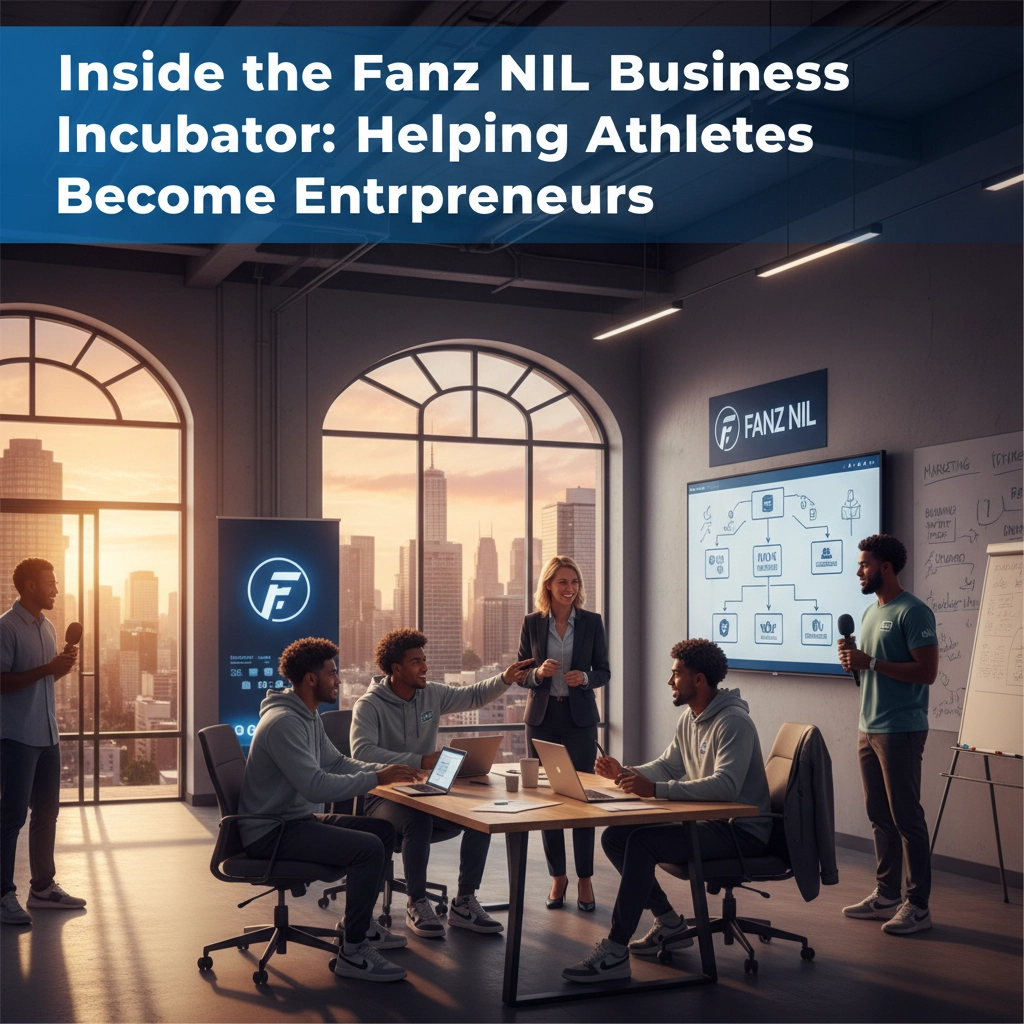
The Fanz NIL Business Incubator represents a systematic approach to athlete entrepreneurship education. The program addresses the gap between athletic talent and business acumen, providing frameworks for sustainable brand development and revenue generation.
Program Structure and Components
Educational Series Framework
The educational series operates on a modular system designed to accommodate athletic schedules and academic commitments. Each module focuses on specific aspects of business development relevant to athlete entrepreneurs.
Core curriculum modules include brand identity development, social media strategy, financial literacy, contract negotiation, and intellectual property protection. These components are delivered through a combination of digital learning platforms and in-person workshops.

The series incorporates case studies from successful athlete entrepreneurs across various sports and competition levels. Participants examine real-world applications of business principles within athletic contexts.
Business Incubator Components
The incubator component provides structured environments for business concept development and implementation. Participants work through standardized processes for market research, business plan development, and prototype creation.
Resource allocation includes access to digital marketing tools, design software, and analytics platforms. These resources enable participants to develop professional-grade marketing materials and track performance metrics.
The incubator maintains partnerships with legal professionals specializing in athlete representation and intellectual property law. These connections provide participants with access to specialized knowledge regarding NIL compliance and contract structures.
Internship Opportunities in Sports Media
Media Production Internships
Sports media internships within the program focus on content creation, distribution, and audience engagement strategies. Interns gain experience with video production equipment, editing software, and live streaming platforms.
Assignments include coverage of collegiate sporting events, interview coordination with athletes and coaches, and development of multimedia content packages. These experiences provide practical application of media production skills within athletic environments.
Interns collaborate with established sports media professionals to understand industry standards and professional workflows. This mentorship component ensures skill development aligns with current industry practices.
Digital Marketing and Analytics
Digital marketing internships emphasize data-driven approach to audience development and engagement. Interns learn to utilize analytics platforms to measure content performance and audience demographics.

Responsibilities include social media content scheduling, performance reporting, and market research for athlete brand development. These tasks provide hands-on experience with tools commonly used in professional sports marketing environments.
Interns develop competencies in search engine optimization, pay-per-click advertising, and influencer marketing strategies specific to athletic brands and NIL opportunities.
Content Strategy and Brand Management
Brand management internships focus on developing comprehensive content strategies for athlete personal brands. Interns learn to align content creation with brand values and target audience preferences.
Projects involve creation of brand guidelines, content calendars, and crisis communication protocols. These deliverables provide practical frameworks that athletes can implement immediately.
Interns work directly with participating athletes to implement brand strategies and measure results. This collaboration provides real-world experience with client management and project execution.
Mentor Network and Professional Development
Industry Professional Connections
The mentor network includes professionals from sports marketing agencies, media companies, and technology platforms. These individuals provide guidance on industry trends and career development opportunities.
Mentorship sessions address specific challenges related to athlete brand development, including audience growth, monetization strategies, and professional relationship management. Sessions are scheduled to accommodate participant availability and learning objectives.
Mentors share insights regarding industry best practices and common pitfalls in athlete entrepreneurship. This knowledge transfer helps participants avoid costly mistakes and accelerate business development timelines.
Peer Learning Networks
Participants engage in peer learning sessions where they share challenges and solutions related to their entrepreneurial endeavors. These sessions create collaborative environments for problem-solving and skill sharing.

Group projects encourage participants to leverage collective expertise and resources. These collaborations often result in innovative approaches to common challenges in athlete brand development.
The peer network extends beyond program completion, creating ongoing professional relationships that support long-term career development and business growth.
Skill Development Areas
Financial Literacy and Business Planning
Financial literacy components address budgeting, tax implications of NIL income, and investment strategies appropriate for young entrepreneurs. These sessions provide practical tools for managing irregular income streams typical in athlete entrepreneurship.
Business planning instruction covers market analysis, competitive positioning, and revenue projection methodologies. Participants develop comprehensive business plans that serve as roadmaps for their entrepreneurial ventures.
The curriculum includes modules on business structure selection, including considerations for LLC formation, partnership agreements, and tax optimization strategies.
Digital Marketing and Content Creation
Content creation training encompasses video production, graphic design, and written content development. Participants learn to create professional-quality content using accessible tools and platforms.
Social media strategy instruction covers platform-specific best practices, audience engagement techniques, and content distribution optimization. These skills enable participants to build authentic connections with their target audiences.
Participants develop competencies in personal branding, including visual identity design, voice and tone development, and brand positioning strategies.
Legal and Compliance Understanding
Legal education components address NIL compliance requirements, contract review principles, and intellectual property protection strategies. This knowledge helps participants navigate complex regulatory environments while maximizing opportunities.
Sessions cover endorsement agreement structures, appearance fee negotiations, and licensing arrangements for athlete personal brands. Participants learn to evaluate opportunities and structure agreements that protect their interests.
The curriculum includes instruction on compliance monitoring and reporting requirements to ensure ongoing eligibility maintenance throughout their athletic careers.
Program Outcomes and Success Metrics
Business Launch Success Rates
Program effectiveness is measured through participant business launch rates and revenue generation within specified timeframes. These metrics provide quantitative assessments of program impact on participant entrepreneurial success.
Success tracking includes monitoring of social media following growth, engagement rate improvements, and monetization achievement across participant cohorts. This data informs ongoing program refinement and curriculum updates.
Long-term tracking examines business sustainability beyond initial launch phases, providing insights into factors that contribute to ongoing entrepreneurial success among athlete participants.
Skill Development Assessment
Competency assessments measure participant progress in core business skills throughout program participation. These evaluations identify areas where additional support may be beneficial and highlight successful learning outcomes.
Portfolio development requirements demonstrate practical application of learned concepts through real business projects and brand development initiatives. These portfolios serve as evidence of skill acquisition and professional readiness.
Participant feedback collection provides qualitative insights into program effectiveness and areas for improvement. This information guides ongoing program development and enhancement efforts.
The Fanz NIL Business Incubator creates structured pathways for athlete entrepreneurship development through comprehensive education, practical experience, and professional mentorship. This systematic approach addresses the unique challenges and opportunities present in the current NIL landscape.
Share this Blog LinkedIn | Facebook | Instagram | X
Hashtags
#Motivation #Branding #Strategy #Marketing #AdvertisingAndMarketing #DigitalMarketing #Innovation #NIL #Esports #Fanzus #SportsMarketing #FanEngagement #SportsBusiness #CommunityBuilding #Reddit #Instagram #TikTok #Conversion #SportsFans #SocialMediaStrategy
Contact
Dan Kost, CEO
info@fanz.us
970-545-8881