
Sports happen in moments. The buzzer-beater. The touchdown celebration. The walk-off home run. These moments create memories, but only if fans can capture and share them instantly. Real-time sports content isn't just about broadcasting games anymore – it's about creating shareable experiences that turn casual viewers into passionate advocates for your team or brand.
When fans can instantly share live scores, replays, and statistics across social platforms, something powerful happens. Your reach explodes beyond traditional boundaries while building genuine connections around the sport. This isn't marketing theory – it's how modern sports engagement actually works.
Why Real-Time Sharing Creates Viral Moments
The math is simple. One fan shares a highlight with their network. Their friends share it with theirs. Within minutes, your content reaches thousands of people who might never have discovered it otherwise. This organic amplification happens because instant sharing removes friction from the fan experience.
Research shows that tweeting live scores, instantly sharing replays, and posting moment-by-moment statistics encourage social media viewers to engage and spread content further, creating genuine buzz around events. Each share carries inherent credibility because it comes from friends and fellow fans, not traditional advertising.
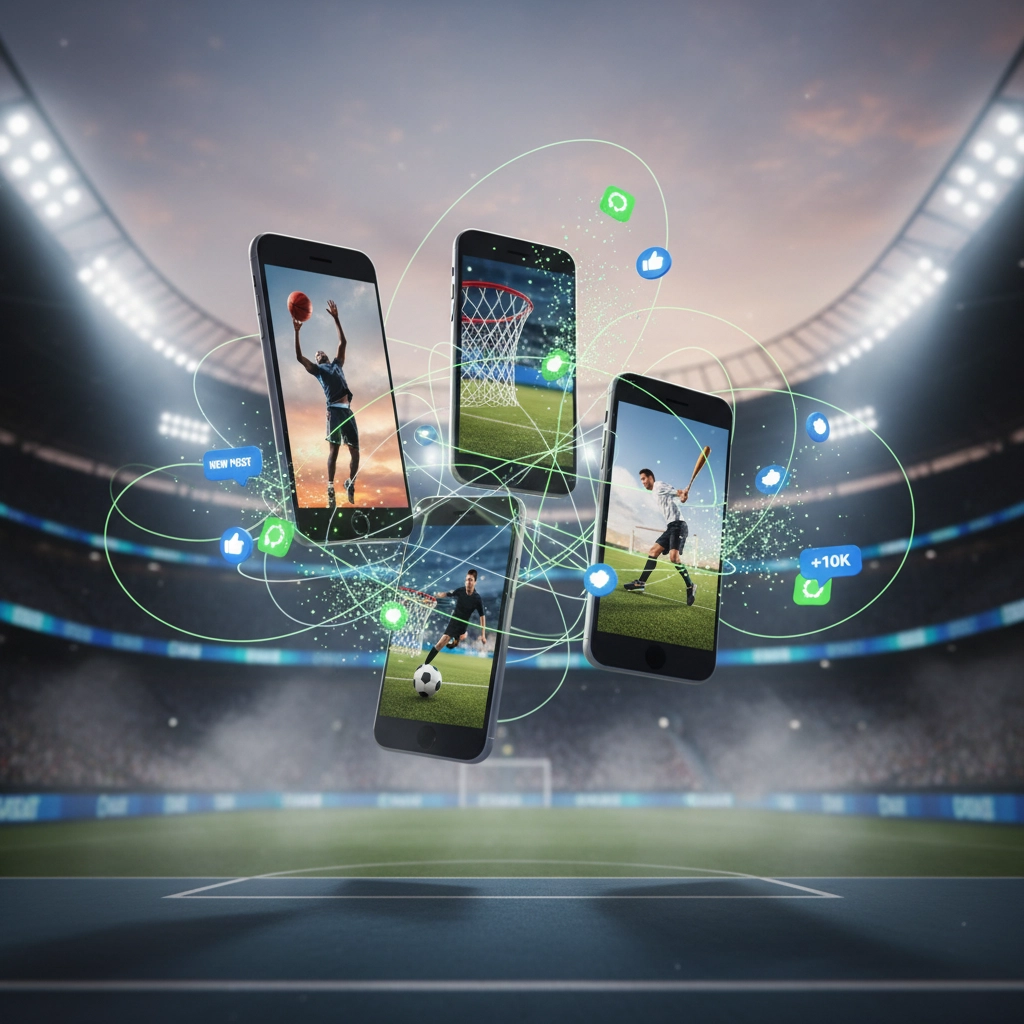
Consider what happens during a game-changing play. Fans want to celebrate immediately with their communities. If they can capture and share that moment within seconds, your content becomes part of their personal story. If they can't, the moment passes and the opportunity disappears.
This immediacy transforms passive viewing into active participation. Fans become distributors of your content, extending your broadcast reach to audiences you could never reach through conventional channels alone.
Building Communities Through Instant Connection
Real-time streaming has transformed sports into social experiences. Fans connect, share reactions, and engage in conversations during live events. Social media integration, live chats, and interactive features bring fans closer together, fostering community and camaraderie.
The traditional model separated content creation from content consumption. Teams created content, fans consumed it. Real-time sharing breaks down this barrier. Fans become content creators, community builders, and brand ambassadors simultaneously.
When viewers can instantly share streams or highlights directly from their viewing experience, it provides teams with free social advertising and viral effects that boost popularity. More importantly, it creates emotional investment. Fans who actively share content feel more connected to the team and the broader fan community.
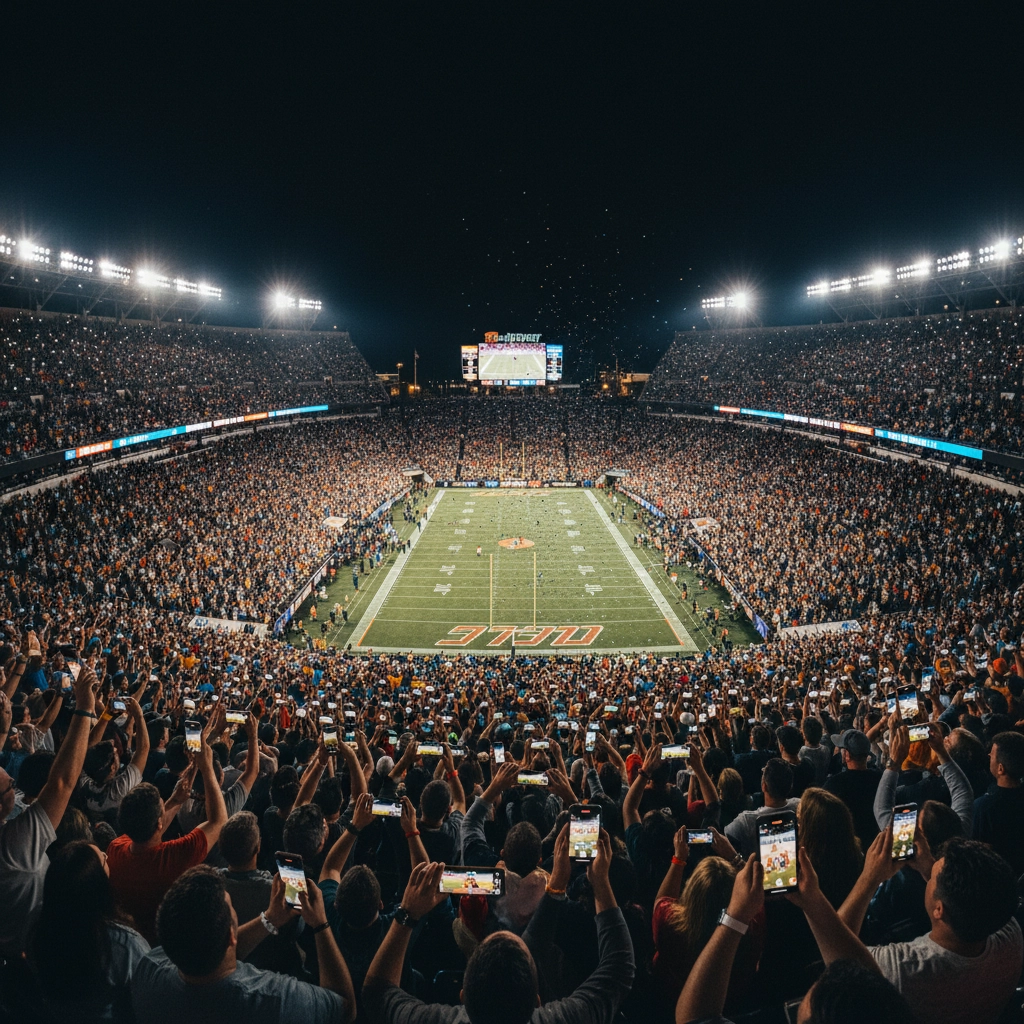
This connection extends beyond individual games. Alumni, parents, prospective fans, and casual viewers across the globe can engage with content and become part of the ecosystem. Geographic boundaries dissolve when sharing happens in real-time.
The Growing Digital Sports Audience
By 2025, more than 25% of Americans will watch live sports digitally. This shift represents more than changing viewing habits – it represents changing engagement expectations. Digital-first fans expect interactive, shareable, real-time experiences.
Traditional broadcasting delivers content to viewers. Digital platforms enable viewers to participate in content creation and distribution. This participation creates deeper engagement and longer-lasting relationships with teams and brands.
Live sports streaming allows viewers to witness action as it unfolds, regardless of location, capturing every moment and enhancing overall enjoyment. When fans can instantly share these experiences, individual viewing becomes communal celebration.
Revenue Opportunities Through Engagement
Instant sharing creates multiple revenue streams. Sponsorships integrate naturally into shareable content. Advertisements within broadcasts gain extended reach through fan networks. Pay-per-view models become more attractive when fans know they can share highlights and build community around events.
Organizations can include sponsorships or short advertisements within broadcasts that generate revenue while fans naturally amplify this content through their networks. The key is creating content worth sharing – moments that fans want to attach their personal brand to.
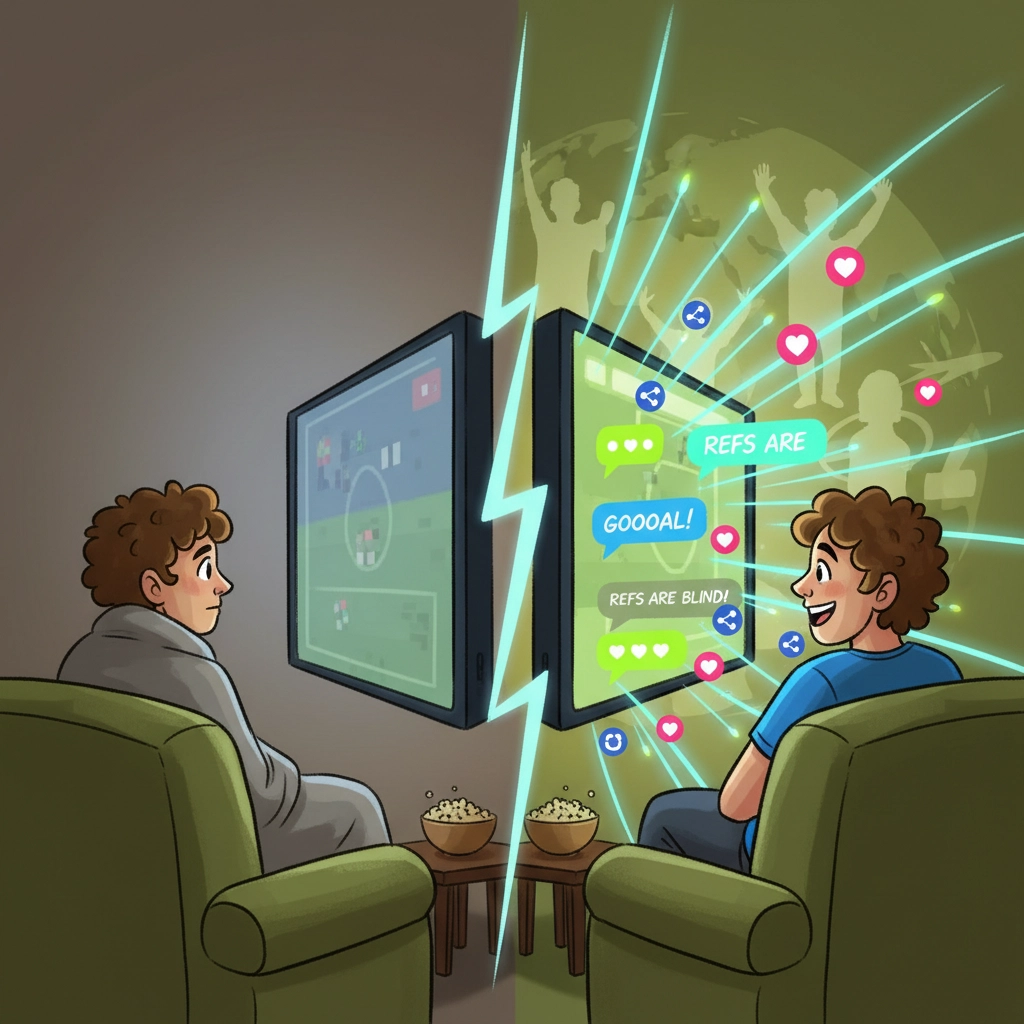
Streaming sports events globally builds fan bases that foster long-term loyalty across multiple generations. When current fans share content with friends and family, they're recruiting future fans and customers.
This approach scales differently than traditional advertising. Each engaged fan becomes a distribution channel. Each shared moment becomes a marketing touchpoint. The compound effect creates sustainable growth that benefits everyone in the sports ecosystem.
Technology That Enables Real-Time Sharing
Modern platforms make instant sharing possible through integrated social features, one-click posting, and real-time content optimization. The technical infrastructure exists – the question is whether organizations will embrace it.
Successful real-time sharing requires more than just technology. It requires understanding what fans want to share and when they want to share it. Game-winning plays, outstanding individual performances, and emotional moments drive sharing behavior.
Smart organizations provide fans with the tools to capture these moments instantly. This might include highlight packages, shareable graphics, or integrated social features that make posting effortless.
Measuring Real-Time Engagement Success
Traditional metrics miss the full impact of real-time sharing. Views and impressions only capture direct consumption. Real engagement includes shares, comments, user-generated content, and network effects.
Successful real-time sharing programs track viral coefficients – how many additional views each share generates. They measure engagement depth – how long fans interact with shared content. They monitor community growth – how sharing attracts new fans over time.

The most valuable metric might be fan advocacy – how willing fans are to share content with their personal networks. This advocacy reflects genuine engagement and predicts long-term loyalty better than passive consumption metrics.
Implementation Strategy for Teams and Brands
Starting with real-time sharing doesn't require complete platform overhauls. It requires identifying key moments that fans naturally want to share and removing barriers to sharing them.
Begin by analyzing current fan behavior. Which moments generate the most organic social activity? Which types of content get shared most frequently? Use this data to guide real-time content strategy.
Integrate sharing capabilities directly into viewing experiences. Make sharing as easy as possible while maintaining content quality. Provide fans with multiple sharing options – quick posts for immediate reactions, detailed highlights for deeper engagement.
Train content creators to recognize shareable moments in real-time. Develop rapid response capabilities that capitalize on viral opportunities as they happen during live events.
The Competitive Advantage of Instant Sharing
Organizations that embrace real-time sharing gain advantages that compound over time. They build larger, more engaged audiences. They create stronger community connections. They generate more revenue opportunities through increased engagement.
More importantly, they position themselves for the future of sports engagement. As digital viewing continues growing, real-time sharing capabilities will become table stakes for competitive sports organizations.
The choice isn't whether to embrace real-time sharing – it's whether to lead or follow this transformation. Early adopters will build advantages that late adopters struggle to overcome.
Real-time sports sharing transforms isolated viewing into community building. It turns passive consumption into active advocacy. It converts casual fans into passionate ambassadors. For teams and brands ready to embrace this opportunity, the tools and audience exist today.
The question remains: will you capture these moments when they happen, or watch them slip away?