
Sports advertising has undergone a fundamental transformation from passive display methods to active participation models. Traditional static sponsorships are being replaced by interactive campaigns that engage fans directly in real-time experiences. This shift represents a measurable change in how brands connect with sports audiences and generate return on investment.
Technology Infrastructure for Interactive Campaigns
Artificial Intelligence and Personalization Systems
AI-powered platforms now deliver customized content to individual fans based on viewing history, team preferences, and engagement patterns. These systems analyze user data to create personalized video messages, highlight reels, and interactive content recommendations. The NBA's partnership with Microsoft demonstrates this approach through an AI-driven platform that curates content for each user, resulting in documented increases in engagement metrics and viewing time.
Real-time personalization extends to advertising delivery, where AI systems determine optimal timing and content for individual users during live broadcasts. This technology enables dynamic ad insertion based on user behavior patterns and demographic data.
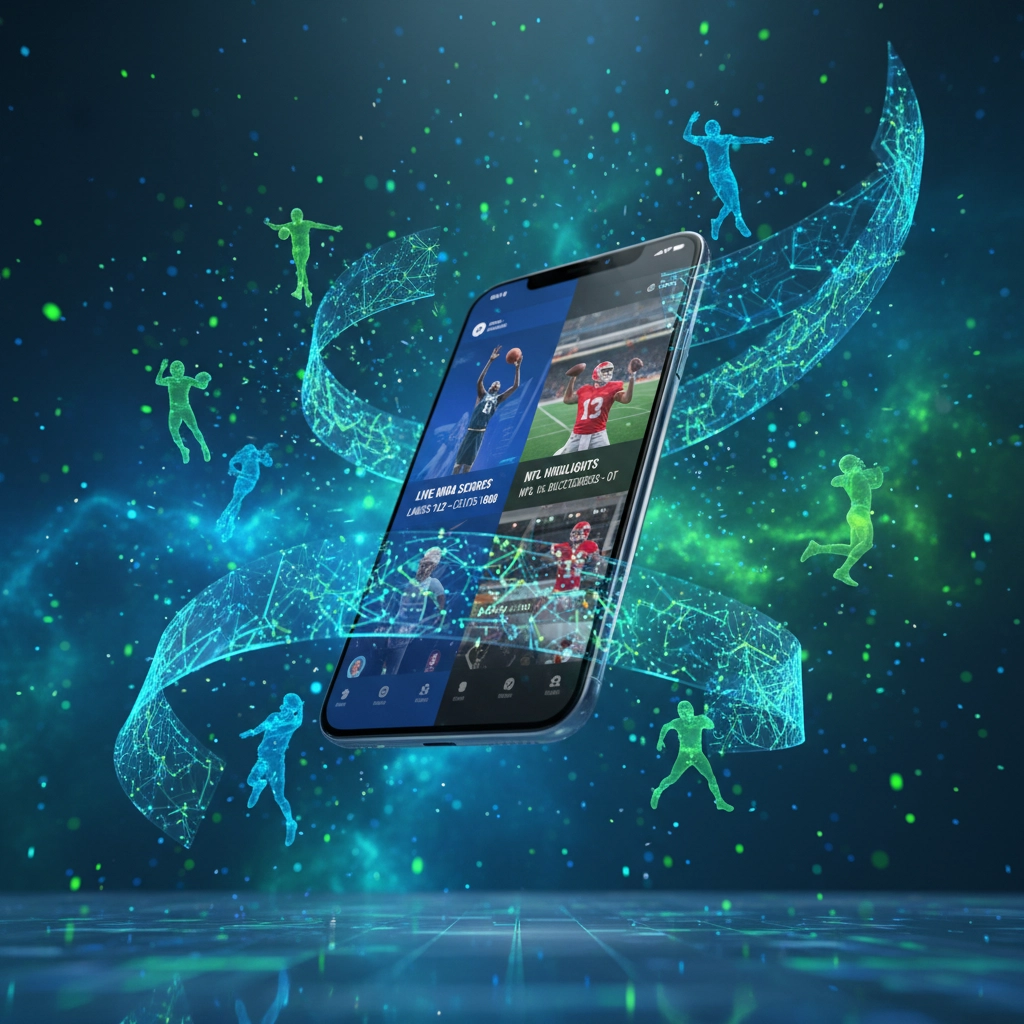
Augmented and Virtual Reality Implementation
AR technology overlays digital information onto live sports broadcasts and in-stadium experiences. Fans can access player statistics, instant replays, and strategic analyses through smartphone applications that recognize on-screen action. This technology creates new advertising opportunities through branded digital overlays and interactive product demonstrations.
VR systems provide immersive viewing experiences that simulate courtside or field-level perspectives for remote audiences. Virtual stadium tours and 360-degree replay systems create additional touchpoints for sponsor integration and branded experiences. These technologies generate measurable engagement data that traditional advertising methods cannot provide.
Interactive Campaign Strategies
Gamification and Real-Time Participation
Interactive campaigns incorporate gaming elements that transform passive viewing into active participation. Live prediction challenges, trivia contests, and real-time polling systems engage fans during broadcasts and increase time spent with branded content. Data indicates these interactive formats can increase engagement rates by up to 32% during major sporting events.
Real-time responsiveness systems enable brands to react instantly to game events, player achievements, and trending moments. This approach requires agile content workflows that can produce and distribute branded content within minutes of significant occurrences. Social media integration amplifies these campaigns by enabling fans to share and create content collaboratively.
Community-Driven Content Systems
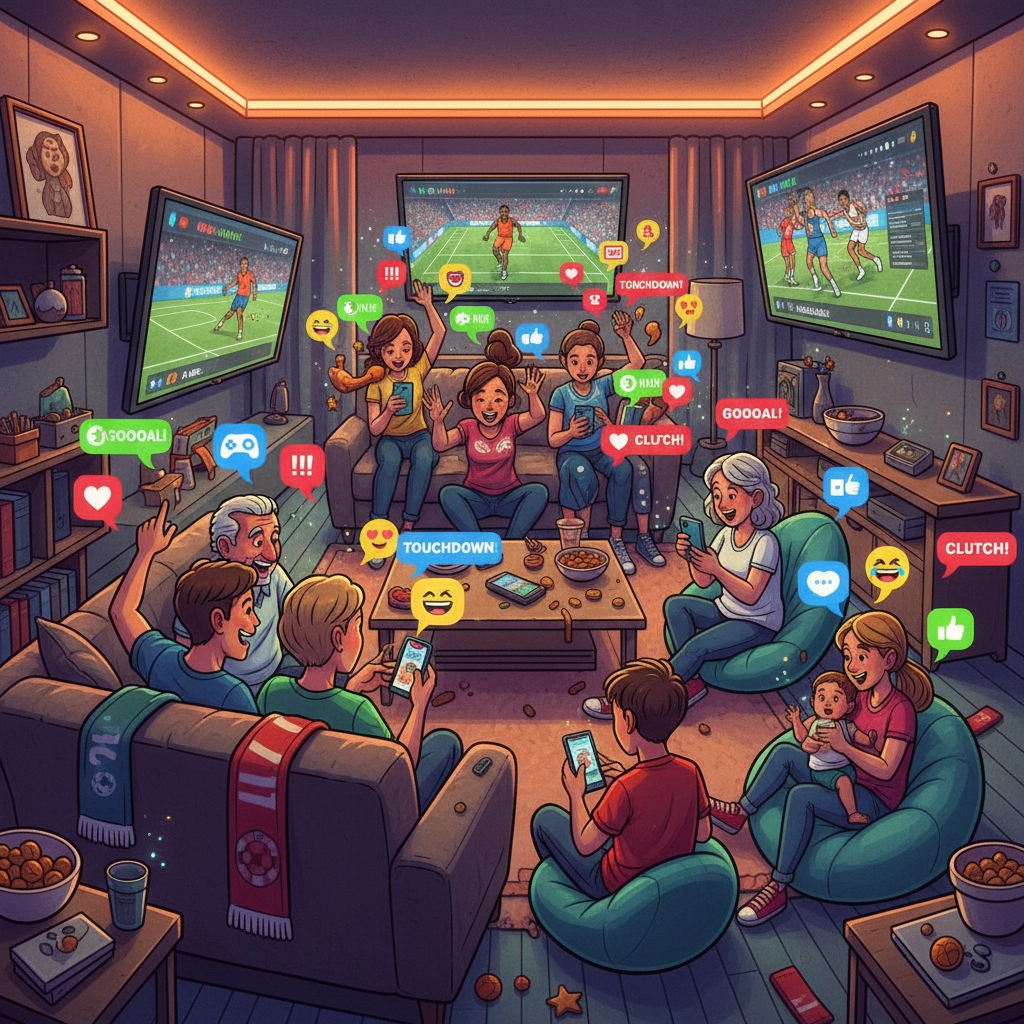
Successful interactive campaigns establish dedicated online communities where fans can engage with brands and each other continuously. These platforms utilize AI-powered chatbots, social media integration, and user-generated content systems to maintain engagement between events. Community features include live chat functions, Q&A sessions with athletes, and collaborative content creation tools.
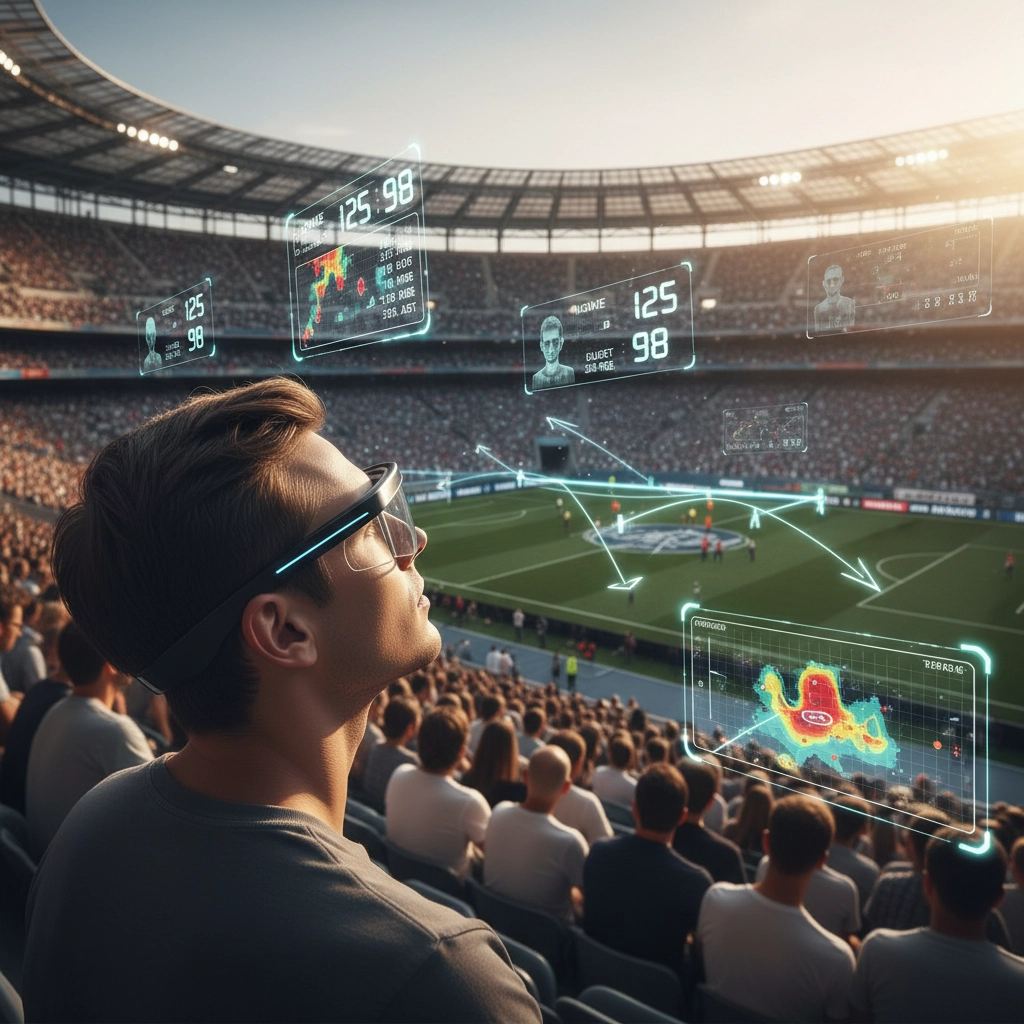
Fan culture integration involves aligning campaign messaging with team traditions, regional preferences, and cultural themes. This approach creates deeper connections by reflecting authentic fan experiences rather than generic advertising messages.
Interactive Format Implementation
Mobile-Integrated Gaming Systems
Trivia Mania systems allow fans to compete in live knowledge-based games through mobile devices or stadium display systems. These platforms integrate sponsor messaging into question formats and prize structures while collecting user engagement data. Implementation includes both real-time and on-demand gaming options to accommodate different viewing preferences.
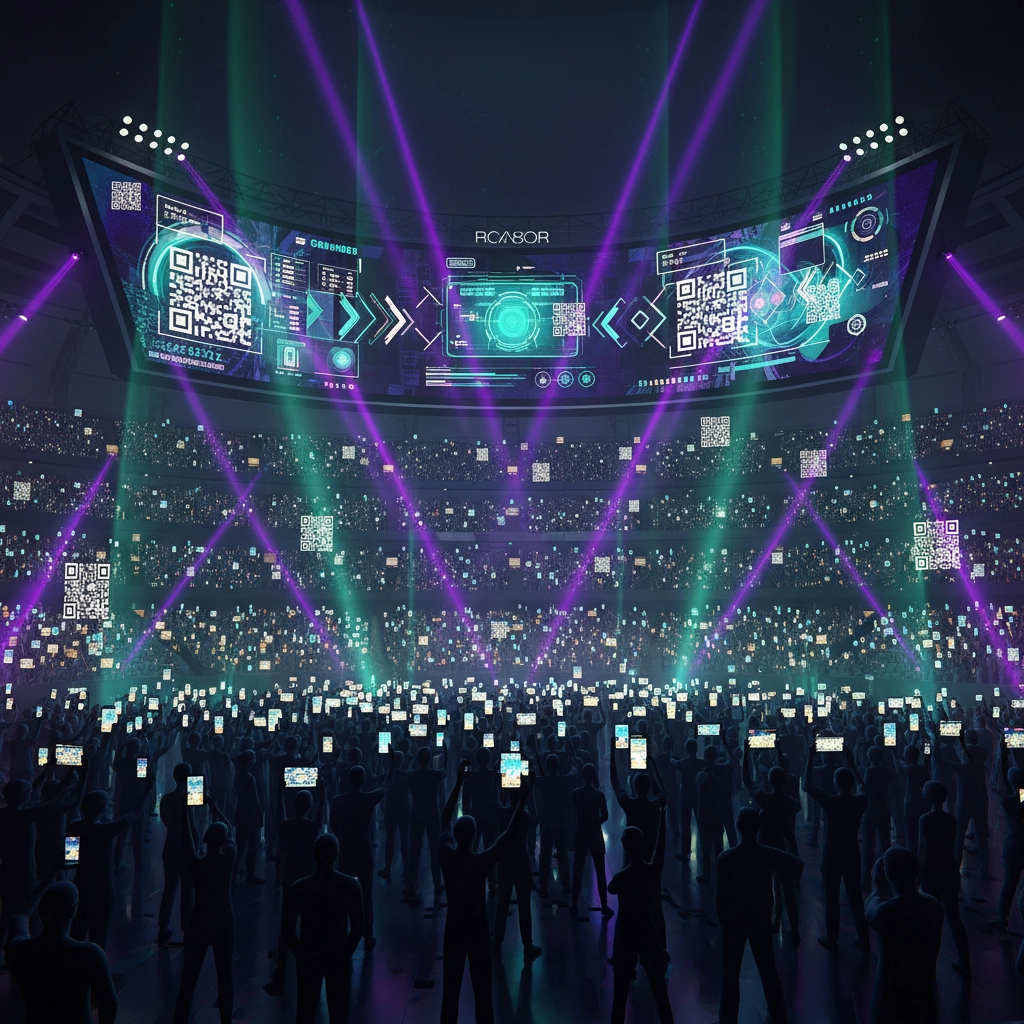
QR code-enabled streaming systems like FanSee enable fans to submit content directly to stadium displays and broadcast feeds. This technology creates bidirectional communication between remote and in-person audiences while providing sponsors with user-generated content opportunities.
Reward-Based Participation Programs
Interactive prize systems distribute branded merchandise and promotional offers based on fan participation in games, polls, and content creation activities. These programs deliver rewards directly to mobile devices and track redemption rates to measure campaign effectiveness.
Facial tracking technology creates shareable content experiences through customizable, sponsor-branded filters displayed on stadium video boards and mobile applications. This technology generates social media content that extends campaign reach beyond initial participants.
Transition from Static Sponsorship Models
Traditional advertising methods including jersey logos, stadium signage, and broadcast advertisements are being supplemented or replaced by interactive formats that provide measurable engagement data. Digital activations can increase brand visibility by 20-30% compared to static placements when implemented with appropriate targeting and timing strategies.
Interactive advertising formats enable real-time shopping, product browsing, and direct response actions during live broadcasts. This functionality transforms advertising from awareness-building to immediate conversion opportunities. E-commerce integration allows fans to purchase products directly through streaming platforms and mobile applications during relevant advertising moments.
Performance Measurement Systems
Interactive campaigns generate detailed analytics including participation rates, time spent with branded content, social sharing metrics, and conversion data. This information enables real-time campaign optimization and demonstrates return on investment through measurable business outcomes.
Data collection systems track user behavior patterns, preference development, and engagement frequency to inform future campaign strategies. These insights enable predictive modeling for campaign performance and audience response optimization.
Brand Integration Strategies
Emotional Connection Development
Successful interactive campaigns incorporate cultural themes, team traditions, and fan community values into branded experiences. This integration approach creates associations between brands and positive emotional experiences rather than interrupting entertainment consumption.
Data-driven audience analysis enables marketers to identify high-intent sports audiences and develop messaging that resonates with specific demographic segments while maintaining commercial objectives.
Multi-Platform Integration
Interactive campaigns function across multiple digital platforms including social media, mobile applications, streaming services, and in-stadium systems. This approach ensures consistent brand messaging while accommodating different user preferences and consumption patterns.
Cross-platform data integration enables comprehensive user journey tracking and attribution modeling for campaign performance measurement. This capability allows marketers to optimize budget allocation across different interactive formats and platforms.
Implementation Considerations
Technical Infrastructure Requirements
Interactive campaign deployment requires robust technical systems capable of handling real-time data processing, content delivery, and user interaction management. Cloud-based platforms provide the scalability necessary for handling traffic spikes during major sporting events.
Integration with existing broadcast systems, social media platforms, and mobile applications requires standardized APIs and data exchange protocols. Technical partnerships with platform providers are essential for seamless user experiences across different touchpoints.
Content Production Workflows
Real-time interactive campaigns require streamlined content production processes that can create and distribute branded materials within minutes of triggering events. This capability necessitates pre-approved creative templates, automated content generation systems, and rapid approval workflows.
Content quality standards must be maintained while enabling rapid response capabilities. This balance requires investment in both technology systems and skilled personnel capable of managing real-time campaign execution.
The evolution toward interactive sports advertising represents a fundamental shift in how brands engage with audiences. Organizations implementing these technologies and strategies demonstrate measurable improvements in engagement metrics, conversion rates, and brand awareness compared to traditional advertising approaches. This transformation continues to accelerate as technology capabilities expand and fan expectations for interactive experiences increase.