
Name, Image, and Likeness (NIL) regulations fundamentally altered the landscape of collegiate athletics when the NCAA implemented policy changes in July 2021. These modifications eliminated previous restrictions that prevented student-athletes from receiving compensation for their personal brand value. The transformation has created unprecedented financial opportunities for young athletes across all competitive levels.
The regulatory shift represents a departure from century-old amateur sport principles that governed collegiate athletics. Previously, student-athletes could not receive monetary compensation beyond scholarships and basic stipends, regardless of their market value or public recognition. Current policies permit athletes to engage in commercial activities while maintaining eligibility for collegiate competition.
Financial Transformation in Youth Athletics
Monetary opportunities through NIL arrangements have generated substantial income streams for young athletes. Current market conditions demonstrate earning potential that extends from thousands to millions of dollars annually. Established collegiate performers such as Bryce Young and Paige Bueckers have secured NIL contracts valued in the millions, establishing benchmarks for athlete compensation.

High school athletes with significant social media presence and athletic recognition have accessed similar opportunities. These arrangements provide financial resources that address training expenses, educational costs, and family economic pressures. The income generation occurs independently of traditional scholarship pathways, creating dual revenue streams for eligible athletes.
"The earning potential through NIL has become transformative for young athletes and their families, providing financial security previously unavailable in amateur sports."
Financial collectives associated with major collegiate programs operate with valuations reaching hundreds of millions of dollars. These organizations coordinate compensation packages for current and prospective student-athletes, fundamentally altering recruitment processes and athlete retention strategies.
Recruitment Process Modifications
NIL implementation has modified traditional collegiate recruitment methodologies. University programs now incorporate potential earning opportunities into recruitment presentations alongside facility tours and academic program descriptions. Coaching staffs coordinate with university-affiliated collectives to present comprehensive packages that include both educational and financial components.
The recruitment landscape demonstrates increased competition among institutions to provide attractive NIL opportunities for prospective athletes. Programs invest resources in developing relationships with local businesses, alumni networks, and corporate sponsors to create sustainable compensation pathways for their athletes.
Division I institutions report annual NIL expenditures in the millions of dollars, with resources distributed across multiple sports programs. The financial investment represents a significant operational cost that influences program budgeting and resource allocation decisions.
Monetization Methodologies
Young athletes access multiple revenue generation pathways through NIL arrangements. These opportunities encompass various commercial activities that leverage athlete recognition and social media presence.
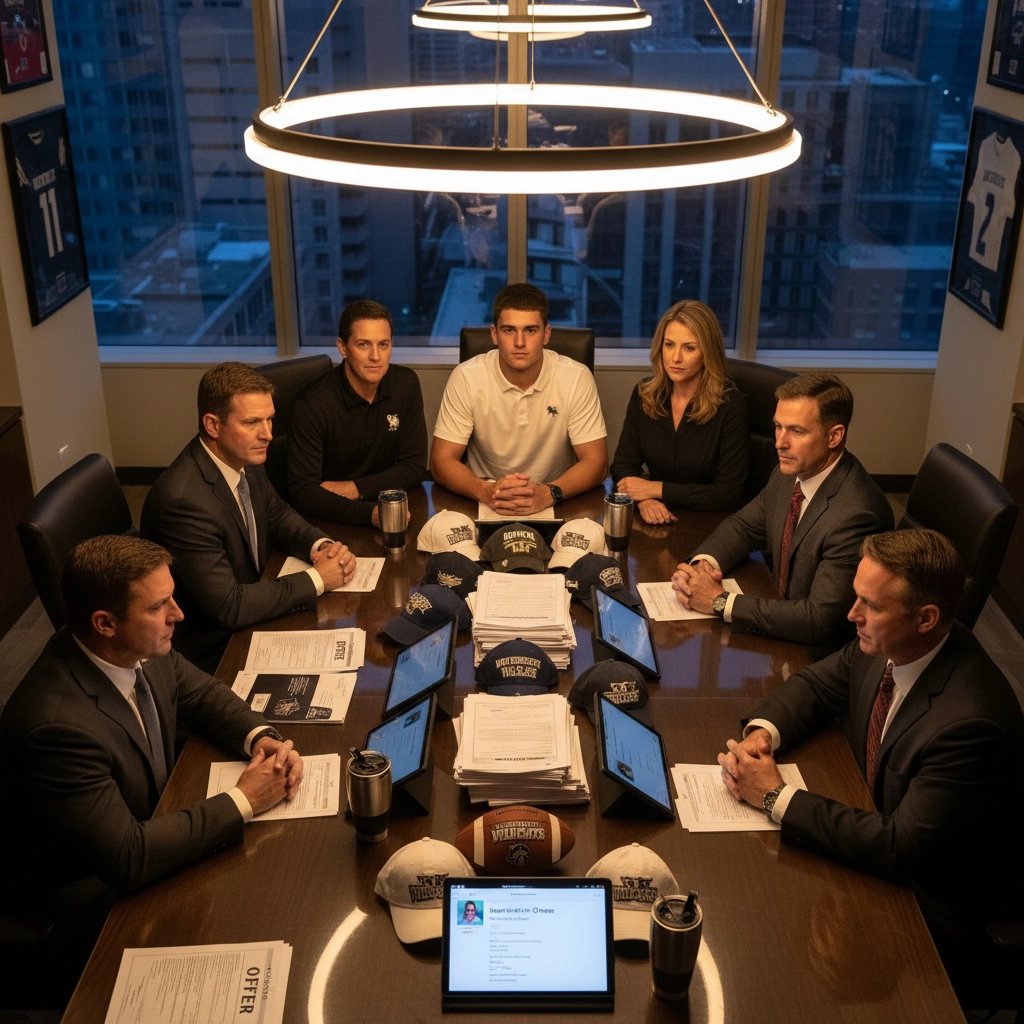
Primary monetization methods include endorsement partnerships with corporate brands and local businesses. Athletes negotiate contracts that provide compensation for product promotion, brand representation, and marketing activities. These arrangements range from local restaurant partnerships to national corporate sponsorships.
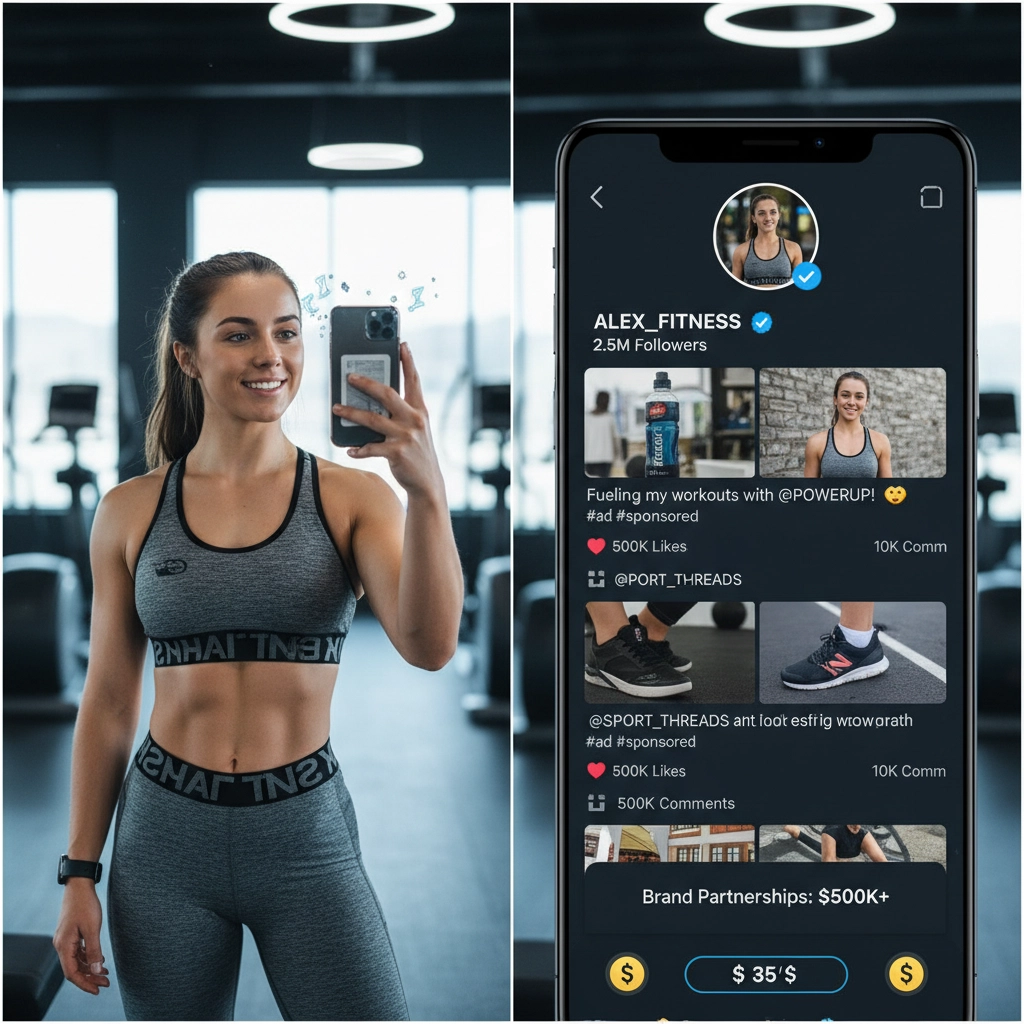
Social media monetization represents a significant component of NIL income generation. Athletes utilize platforms including Instagram, TikTok, and YouTube to create sponsored content, promote products, and engage with commercial partners. Follower counts and engagement rates directly correlate with earning potential and partnership opportunities.
Additional revenue streams include:
- Paid public appearances and speaking engagements
- Branded merchandise sales and product development
- Autograph signings and memorabilia transactions
- Personalized video content creation
- Training camps and instructional clinics
- Meet-and-greet events and fan interactions
"Athletes with large social media followings can command higher compensation from brands seeking to reach younger, sports-focused audiences."
Social Media Impact and Requirements
Social media presence functions as a primary determinant of NIL success and earning potential. Athletes with substantial followings across multiple platforms demonstrate enhanced marketability to potential commercial partners. Engagement metrics, content quality, and audience demographics influence partnership opportunities and compensation rates.
Major corporations including Nike, Adidas, and various consumer brands actively pursue partnerships with athletes who maintain strong social media presence. These relationships leverage athlete influence to reach target demographics, particularly younger consumers who engage with sports content.

Athletes invest significant time and resources in content creation, social media management, and audience development. Professional social media management services have emerged to assist athletes in optimizing their digital presence and maximizing monetization opportunities.
Platform-specific strategies have developed to address the unique characteristics of Instagram, TikTok, Twitter, and YouTube. Athletes adapt content formats, posting schedules, and engagement methods to maximize reach and commercial value across different social media environments.
High School Athlete Participation
NIL opportunities have extended to high school athletes who demonstrate exceptional athletic ability, social media presence, or local recognition. These arrangements provide earlier access to commercial opportunities that previously required collegiate enrollment.
High school NIL participants typically focus on local business partnerships, social media monetization, and community event appearances. The income generation supports training expenses, equipment costs, and educational savings while maintaining amateur status for collegiate recruitment.
Regulatory frameworks vary by state regarding high school NIL participation, creating diverse opportunity landscapes across different regions. Some states have implemented comprehensive policies while others maintain restrictions or require specific compliance procedures.
"High school athletes can now sign endorsement deals with major brands, monetize their social media platforms, and work with marketing agents before reaching college age."
Long-term Industry Implications
NIL implementation has created structural changes in collegiate athletics that extend beyond individual athlete compensation. The modifications influence program operations, competitive balance, and amateur sport principles that previously governed collegiate athletics.
University athletic departments have developed new administrative positions and compliance systems to manage NIL activities. These organizational changes require ongoing resource allocation and staff training to ensure regulatory adherence and program effectiveness.
Competitive balance considerations have emerged as programs with enhanced NIL resources demonstrate advantages in recruitment and athlete retention. The disparity in available opportunities creates potential imbalances between institutions with different financial capabilities and market positions.
Educational institutions have incorporated NIL education into athlete development programs, providing instruction on business principles, marketing strategies, and financial management. These educational components prepare athletes for commercial activities while maintaining academic progress and athletic performance standards.
The transformation represents a fundamental shift in amateur athletics that eliminates traditional barriers between collegiate sport participation and commercial activities. Future developments will likely expand opportunities while refining regulatory frameworks to address emerging challenges and competitive concerns.
NIL implementation has established a new operational framework for youth athletics that prioritizes athlete agency, financial opportunity, and commercial engagement. The ongoing evolution continues to shape competitive landscapes, educational priorities, and economic structures within amateur sports organizations.
Zaproxy dolore alias impedit expedita quisquam.
Downloaded the app last week and it installed without any issues. Everything runs perfectly on my old device and I love having my favorite games in one place. The bonus structure is fair and not packed with tricky rules. Support responded to my query in under five minutes. Really impressed so far. br915betappapk
This club really gets what players value the most which is getting real rewards for their actual playtime. I have been collecting perks every single week and the tier upgrades feel totally achievable. The dashboard is super easy to navigate even for my mom who just started. Slide into this link if you want a community that actually treats you like family. mxmoneyclub
Chilean players know how picky they can be about payment methods and this site actually delivers what it promises. I love how the withdrawals slide into my account without any unnecessary drama. Come back and tell me if you enjoyed the sportsbook as much as I do. 1xbetonline